
Water is one of the biggest factors that can affect the condition of concrete and asphalt surfaces. Driveways, parking lots, sidewalks, and other paved areas are regularly exposed to rain, snow, and runoff. When water does not drain properly, it can collect on the surface or seep into cracks and the materials underneath.
Proper drainage helps move water away from paved surfaces and reduces prolonged moisture exposure. This can help prevent premature deterioration, protect the underlying base, and reduce the need for frequent repairs.
This guide explains how proper drainage protects concrete and asphalt, the signs of a drainage problem, and what property owners can do about it.
Why Drainage is Important for Concrete and Asphalt
Water is one of the biggest threats to any paved surface. Concrete and asphalt both look solid, but neither is completely waterproof. When water isn’t directed away from the pavement, it can work its way into cracks and joints, affect the base beneath the surface, and speed up deterioration. In the Chicago area, where temperatures can move above and below freezing during winter, repeated moisture and freeze-thaw cycles can make existing pavement problems worse.
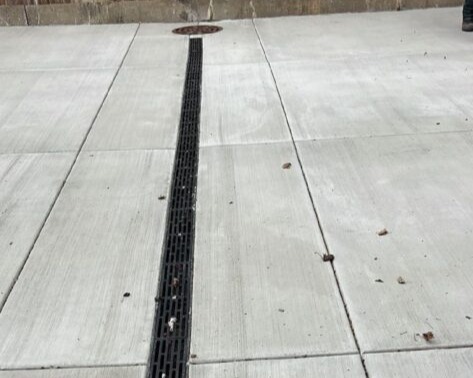
Also Read: How weather affects asphalt driveways and parking lots
Benefits of Proper Drainage
Asphalt and concrete need a stable base to remain strong and durable. When water repeatedly reaches the pavement or the material underneath it, the surface can become more vulnerable to damage.
| Benefit | How It Protects Asphalt | How It Protects Concrete |
| Reduces Standing Water | Proper drainage moves rainwater away from asphalt, reducing moisture exposure and preventing water from collecting in cracks and weak areas. | Directing water away prevents it from pooling around sidewalks, driveways, patios, and other concrete surfaces. |
| Protects the Base | Prevents water from entering cracks and reaching the underlying materials, which can weaken the pavement structure. | Helps reduce water movement beneath concrete slabs, which can contribute to soil erosion and instability. |
| Helps Prevent Surface Damage | Reduces conditions that can contribute to cracks, potholes, and other asphalt damage. | Helps limit moisture-related deterioration and may reduce the worsening of existing cracks and surface damage. |
| Controls Soil Erosion | Prevents runoff from washing away soil along pavement edges or beneath asphalt, helping reduce sinking and uneven areas. | Helps prevent soil movement beneath or around slabs, reducing the risk of settling and uneven concrete. |
| Reduces Moisture Exposure | Keeps excess water away from asphalt and its underlying layers, helping protect the pavement from moisture-related deterioration. | Helps prevent water from remaining around the concrete surface for extended periods. |
| Supports Longer-Lasting Surfaces | Proper drainage combined with crack filling and sealcoating can help protect asphalt from moisture and weather exposure. | Drainage works alongside concrete repair and maintenance services to help maintain the condition of concrete surfaces. |
Why Standing Water Is a Problem in Winter
Standing water can become a safety concern during winter, especially on commercial parking lots, sidewalks, and HOA properties. When temperatures drop below freezing, pooled water can turn into ice, creating slippery surfaces for pedestrians and increasing the risk of falls. Proper drainage helps reduce water accumulation, while regular pavement inspections can help identify areas where water repeatedly collects.
Signs of Poor Drainage Around Your Property
Not sure whether your property has a drainage problem? Look for these common warning signs:
- Standing water: Puddles remain on or around pavement after rainfall.
- Repeated flooding: The same areas collect water during storms.
- Cracks and potholes: Water exposure may contribute to pavement deterioration.
- Soft or sinking areas: Water and erosion can affect the soil beneath paved surfaces.
- Eroded soil: Runoff may wash soil away from pavement edges.
- Uneven concrete: Settling or movement may affect sidewalks, walkways, or other slabs.
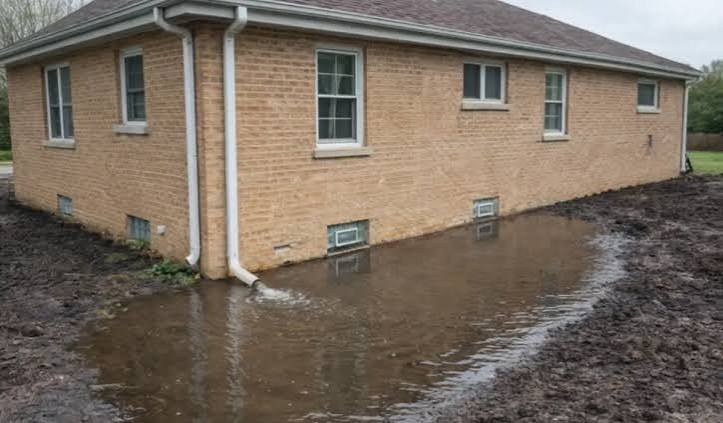
- Water flowing toward buildings: Poor drainage can direct runoff toward foundations or other vulnerable areas.
- Overflowing or clogged drains: Drainage components may not be moving water away efficiently.
Ways to Improve Drainage Around Concrete and Asphalt Surfaces
The right drainage solution depends on the property’s layout, surface condition, and cause of the water problem. Some general steps can help improve water management.
1. Check the Grading
Paved surfaces and surrounding soil should allow water to move away rather than collect in low areas. Poor grading can cause water to flow toward pavement, buildings, or other areas where it can create problems.
As a general guideline, a slope of around 1% to 2% may help direct water toward appropriate drainage areas, depending on the site design and surface requirements. A 1% slope equals approximately 1/8 inch of drop per foot, while a 2% slope equals approximately 1/4 inch per foot. The appropriate slope should account for drainage needs and applicable accessibility requirements.
2. Keep Drainage Areas Clear
Leaves, dirt, and other debris can restrict water flow. Regularly checking drains and runoff paths can help water move away from paved surfaces.
3. Manage Gutter and Downspout Runoff
Downspouts should discharge water in a suitable location rather than concentrating large amounts of water beside a driveway, sidewalk, or foundation.
4. Address Low Areas
Depressions in a driveway, parking lot, or surrounding landscape can collect water. Correcting the underlying drainage issue can help prevent the same problem from returning.
5. Repair Damaged Drainage Components
Broken or damaged drainage components can affect how water moves across the property. Professional assessment can help determine whether repair or another drainage solution is appropriate.
6. Maintain the Pavement
Drainage should be part of an overall pavement maintenance plan. Repairing cracks, maintaining asphalt, and addressing concrete damage can help reduce areas where water can enter and cause additional deterioration.
Related Articles:
What is Sealcoating and How Does it Protect Asphalt?
Asphalt Repair vs. Replacement: Which Option is Right for Your Property?
What Causes Potholes and How Can You Prevent Them?
Protect Your Concrete and Asphalt With American Sealcoating
Proper drainage is an important part of maintaining healthy concrete and asphalt surfaces. At American Sealcoating, we help residential and commercial property owners in Lincolnshire, Palatine, Northbrook, Wheeling, Buffalo Grove, Des Plaines and nearby areas, address drainage concerns and protect their paved surfaces from water-related damage.
With experience in asphalt and concrete maintenance, our team can evaluate your property’s drainage conditions and recommend a practical solution based on the existing surface and water-flow issues.
- Experienced pavement professionals: American Sealcoating has been providing asphalt pavement maintenance and concrete services since 1991.
- Drainage repair services: We help address problems such as standing water, poor runoff, and drainage issues that can affect paved surfaces.
- Complete pavement solutions: Our services include asphalt paving, sealcoating, and crack filling to help maintain asphalt surfaces.
- Concrete maintenance: Our concrete repair and maintenance services help address cracks, surface deterioration, and other concrete concerns.
- Residential and commercial service: We work with homeowners, businesses, property managers, HOAs, and condominium associations throughout the Chicagoland area.
If you are dealing with recurring standing water, poor runoff, or pavement damage related to drainage, call/text 847-520-3114 or request a free estimate to discuss your concerns with American Sealcoating.
Frequently Asked Questions
Q1. Can poor drainage cause potholes?
Yes. Poor drainage allows water to collect on asphalt or seep through existing cracks. When moisture weakens the underlying base, repeated traffic and freeze-thaw cycles can cause the pavement to break apart and form potholes.
Q2. How much slope should a driveway have?
A driveway may need a slope of around 1% to 2% to help water drain toward a suitable runoff area. This equals approximately 1/8 to 1/4 inch of drop per foot. The appropriate slope depends on the driveway’s design, drainage conditions, and applicable accessibility requirements.
Q3. How often should pavement drainage be inspected?
Inspect paved surfaces and drainage areas regularly, especially after heavy rainfall and during seasonal maintenance. Commercial properties and HOA communities may benefit from scheduled inspections to identify recurring puddles, clogged drains, erosion, and pavement damage early.