
Asphalt is designed to handle everyday vehicle traffic, but it is constantly exposed to weather conditions that can gradually affect its performance. Rain, snow, freezing temperatures, extreme heat, and repeated temperature changes can all contribute to pavement deterioration.
Weather does not always cause immediate damage. Instead, its effects often build over time, especially when an asphalt driveway or parking lot already has cracks, drainage problems, or other weak areas.
Understanding these effects can help property owners recognize early signs of deterioration and keep their pavement properly maintained.
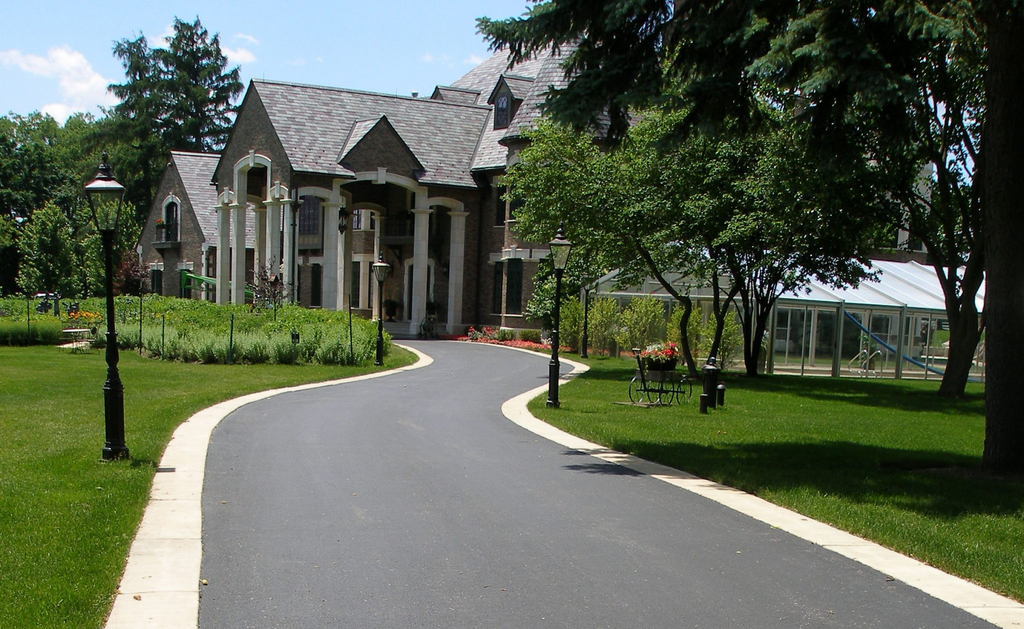
How Different Weather Conditions Affect Asphalt
Different weather conditions can affect asphalt in different ways. Rain and moisture can weaken the pavement from below, while freezing temperatures, heat, and repeated temperature changes can gradually cause surface deterioration.
1. Rain and Moisture
Water is one of the biggest concerns for asphalt pavement. A well-maintained surface can handle normal rainfall, but existing cracks and damaged areas can allow water to penetrate below the asphalt.
Once moisture reaches the base layers, it can weaken the pavement and reduce its stability. Poor drainage can make the problem worse by allowing water to collect on or around the pavement.
Common problems caused or worsened by moisture include:
- Cracks becoming wider or deeper
- Potholes forming in weakened areas
- Water pooling on the pavement
- Soft or uneven sections
- Deterioration of the pavement base
Addressing cracks and drainage problems early can help limit the amount of water reaching the underlying pavement. Services such as drainage repair and catch-basin repair can also help improve water flow around asphalt surfaces.
2. Snow, Ice, and Freezing Temperatures
Winter weather can put additional stress on asphalt. When water enters small cracks and freezes, it expands inside the pavement. As temperatures rise, the ice melts, leaving space within the crack.
Repeated freezing and thawing can gradually make cracks larger and weaken the surrounding pavement.
This can lead to:
- Widening cracks
- Potholes
- Broken pavement edges
- Uneven surface areas
- Further deterioration of existing damage
Repairing cracks before winter can help reduce the amount of water that enters the pavement and limit freeze-thaw damage.
3. Extreme Heat and Sunlight
Hot weather affects asphalt differently. High temperatures can soften the pavement, making it more susceptible to surface wear from vehicles.
Long-term sunlight exposure can also affect the asphalt binder. UV rays can gradually make the surface dry, faded, and more brittle.
During periods of extreme heat, asphalt may experience:
- Increased surface wear
- Fading and loss of its dark appearance
- Softening under heavy traffic
- Greater stress in heavily used areas
- Faster deterioration of older pavement
Parking lots with frequent vehicle traffic can be especially vulnerable when high temperatures are combined with repeated braking, turning, and parking.
4. Rapid Temperature Changes
Asphalt naturally expands and contracts as temperatures change. A single temperature change may not cause noticeable damage, but repeated cycles throughout the year can place stress on the pavement.
This becomes more concerning when the asphalt already has cracks or weakened areas. Seasonal temperature changes can gradually cause these problems to expand.
Signs that temperature changes may be affecting the pavement include:
- New or expanding cracks
- Existing cracks becoming more noticeable
- Small gaps around pavement edges
- Uneven or weakened areas
- Increased deterioration after seasonal changes
Regular inspections and timely maintenance can help identify these problems before they become more extensive.
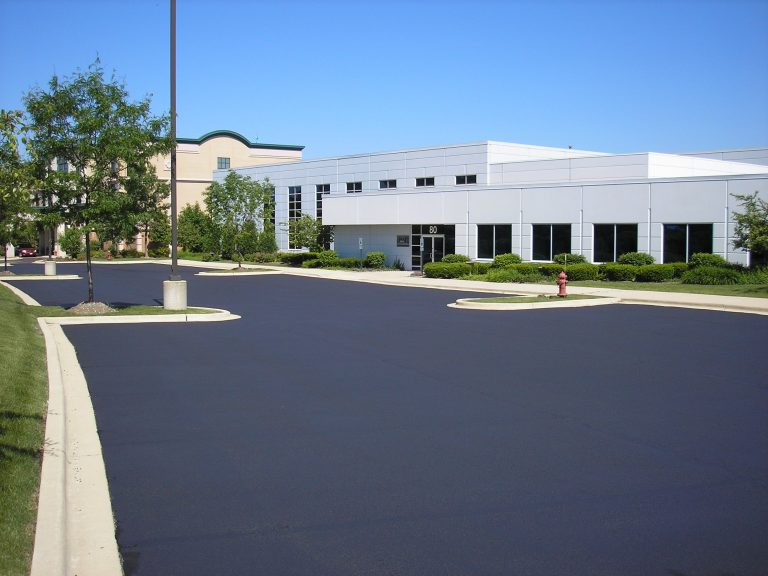
Note: Commercial parking lots are exposed to frequent traffic, moisture, and changing weather conditions. Our Commercial sealcoating services helps protect the asphalt surface from these everyday stresses and can be an important part of a regular pavement maintenance plan.
Most Weather-Vulnerable Areas of an Asphalt Driveway
Weather can affect the entire driveway, but some areas may experience problems sooner than others.
- Driveway edges: Edges are more exposed and may deteriorate faster when water reaches the surrounding soil.
- Cracks and joints: Existing openings provide pathways for moisture to enter the pavement.
- Low spots: Areas where water collects can experience more moisture-related deterioration.
- Areas near drainage points: Poor drainage can keep sections of pavement wet for extended periods.
- High-traffic sections: Frequent vehicle movement can accelerate deterioration in weather-weakened areas.
Regularly checking these areas can make it easier to identify early signs of pavement damage.
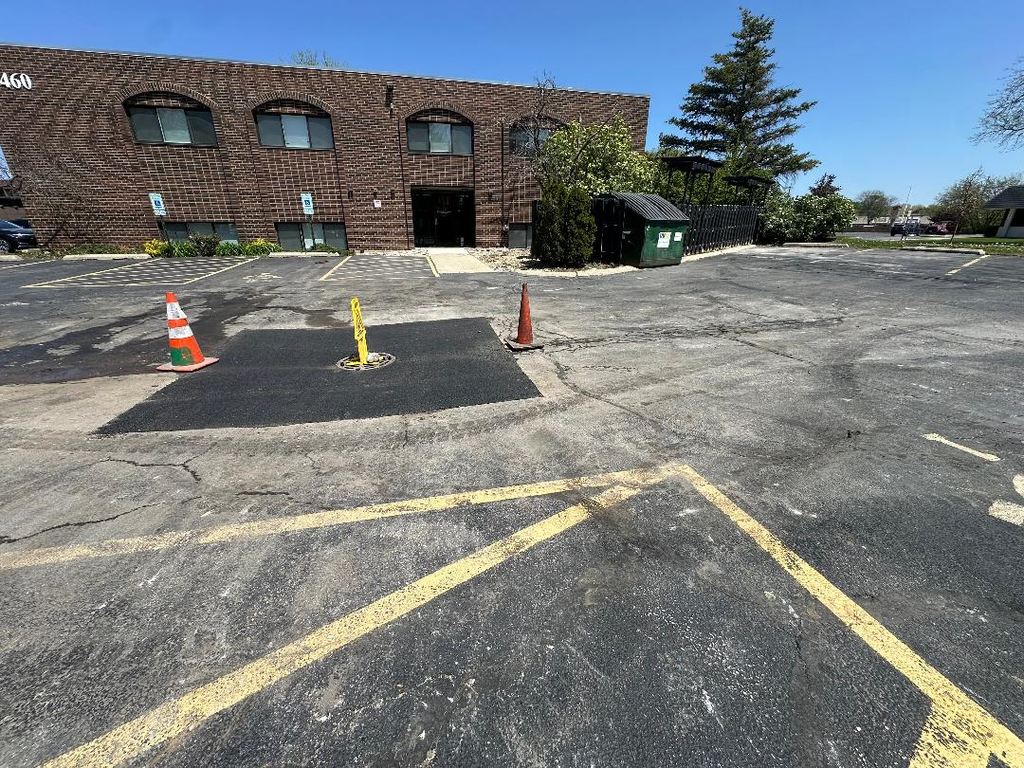
Signs of Weather-Related Damage to Asphalt Driveways and Parking Lots
Weather-related damage can develop gradually, especially when asphalt is repeatedly exposed to moisture, freezing temperatures, heat, and changing weather conditions. Regularly checking driveways and parking lots can help property owners spot problems before they become more serious.
Common signs include:
- Cracks: Small cracks that gradually become wider or deeper.
- Potholes: Holes that develop after water and freeze-thaw cycles affect damaged areas.
- Faded asphalt: A surface that looks dry, gray, or worn.
- Crumbling edges: Pavement edges that begin to break apart.
- Uneven areas: Sections that become soft, sunken, or raised.
- Standing water: Water that remains on the pavement after rainfall.
These signs can appear on both residential driveways and parking lots. Addressing them early can help limit further deterioration and keep the pavement in better condition.
How Can You Protect Asphalt From Weather Damage?
Weather damage cannot always be avoided, but regular maintenance can help reduce its impact on asphalt driveways and parking lots. Taking care of small problems early is especially important before seasonal weather changes.
1. Sealcoat Regularly
Sealcoating helps protect asphalt from moisture, sunlight, and everyday wear. It is commonly performed every 2-3 years, depending on pavement condition, traffic, and weather exposure.
2. Repair Cracks Before Winter
Cracks should be repaired before freezing weather whenever possible. Sealing them helps keep water out of the pavement and can reduce the risk of freeze-thaw damage.
3. Maintain Proper Drainage
Keep drains, catch basins, and other drainage areas clear of leaves, dirt, and debris. Proper drainage helps prevent water from collecting on or around the asphalt.
4. Inspect After Severe Weather
Check driveways and parking lots after heavy rain, snow, or extreme weather. Look for new cracks, potholes, standing water, or other signs of damage so they can be addressed early.
Regular preventive maintenance can help asphalt remain in better condition and reduce the effects of changing weather.
Take Action Before Weather Damage Gets Worse
Weather can gradually take a toll on asphalt, especially when cracks, potholes, drainage issues, or surface wear are left untreated. Taking care of these problems early can help prevent further deterioration and keep your driveway or parking lot in better condition.
American Sealcoating Inc. provides asphalt maintenance and repair services for residential and commercial properties in Lincolnshire, IL, and surrounding communities. From sealcoating and crack repair to pothole repair, asphalt paving, parking lot striping, drainage repair, and power washing, our team can help address pavement problems before they become more extensive.
If your asphalt is showing signs of weather-related damage, contact American Sealcoating Inc. at 847-520-3114 for a free estimate.