
Asphalt can provide a durable surface for driveways, parking lots, walkways, and other paved areas, but even well-maintained pavement eventually shows signs of wear. Cracks, potholes, uneven areas, drainage problems, and surface deterioration can affect your property’s safety and appearance.
When these problems appear, property owners often face an important question: Should the asphalt be repaired, or is replacement necessary?
The answer depends on the extent of damage, the age of the pavement, and your long-term budget. Knowing whether to repair damaged areas or replace the pavement entirely can help you avoid unnecessary costs and address safety concerns early.
What is Asphalt Repair?
Asphalt repair focuses on fixing specific areas of damaged pavement without removing and rebuilding the entire surface. It is generally used when the existing asphalt is still in reasonably good structural condition.
Common asphalt repair methods include:
- Crack filling and sealing
- Pothole repair
- Patching damaged sections
- Repairing localized depressions
- Addressing minor edge deterioration
- Fixing areas affected by water infiltration
Repair can help prevent existing damage from spreading and protect the pavement from moisture entering beneath the surface.
For example, if a parking lot has a few isolated potholes but the majority of the pavement remains stable, repairing those damaged sections may be more appropriate than replacing the entire lot.
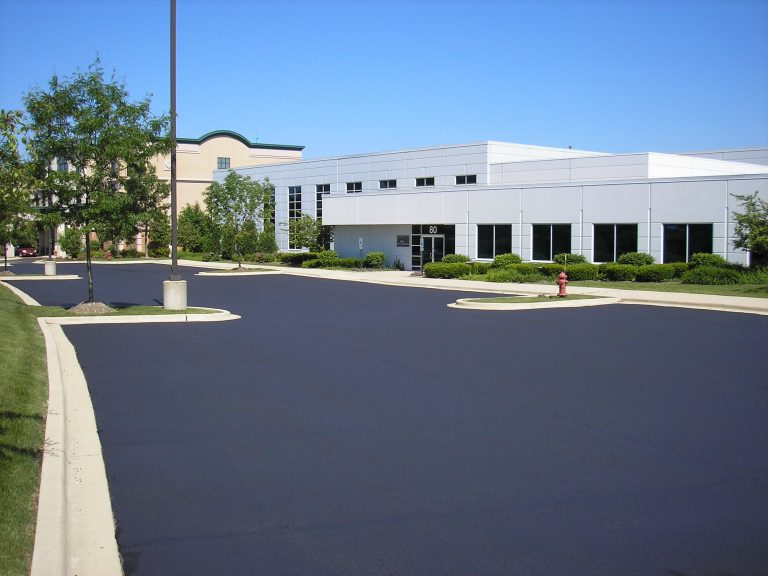
What is Asphalt Replacement?
Asphalt replacement involves removing severely damaged pavement and installing a new asphalt surface. Depending on the property’s condition, the process may also involve rebuilding or correcting portions of the underlying base.
A full replacement can be appropriate when the pavement is aging significantly or has widespread structural damage.
Signs that replacement may be necessary include:
- Extensive cracking across the pavement
- Large areas of potholes
- Severe rutting or sinking
- Widespread crumbling
- Multiple failed repair areas
- Significant drainage problems
- Weak or unstable pavement base
- Very old asphalt with extensive deterioration
Unlike a localized repair, replacement addresses a much larger portion of the pavement and can provide a fresh, uniform surface.
Asphalt Repair vs. Replacement: Key Differences
| Factor | Asphalt Repair | Asphalt Replacement |
| Damage | Localized or moderate | Extensive or widespread |
| Cost | Generally lower upfront cost | Higher initial investment |
| Work area | Specific damaged sections | Large portion or entire pavement |
| Project time | Usually shorter | Usually longer |
| Best for | Pavement that remains structurally sound | Pavement near the end of its service life |
| Appearance | May leave visible repair areas | Provides a more uniform new surface |
| Long-term solution | Depends on underlying pavement condition | Can provide a longer-lasting solution when properly installed |
When Asphalt Repair May Be the Right Choice
Repair may make sense when the damage is limited, and the pavement beneath the damaged areas remains stable.
Repair is often suitable when your pavement has minor damage but remains structurally sound overall. Fixing problems early can help prevent them from becoming larger and more expensive.
1. Small or isolated potholes
Small potholes, isolated cracking, and minor edge wear may be addressed through spot repairs and crack filling, avoiding the need for complete pavement replacement.
2. Localized cracks
Cracks that have not spread extensively may be treated before they allow water to penetrate deeper into the pavement.
3. Otherwise stable pavement
Newer asphalt that has been regularly maintained still has significant service life left. Fixing minor issues early prevents moisture from penetrating and causing deeper failure.
4. Small damaged sections
Areas affected by vehicle traffic, weather, or localized deterioration may only need patching.
5. Early signs of deterioration
Addressing problems early can help prevent them from becoming larger and more expensive issues.
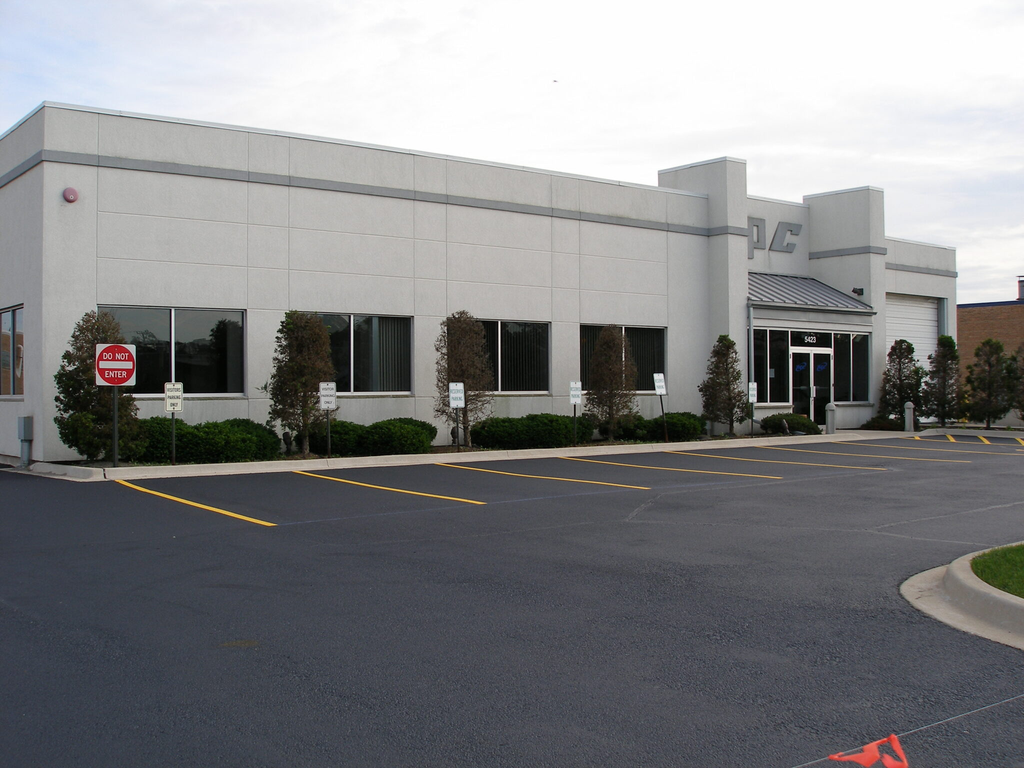
When Asphalt Replacement May Be Necessary
Replacement becomes more appropriate when pavement damage is widespread or the underlying structure has deteriorated.
1. Severe Structural Failure
When damage is widespread, repairing one section after another can become inefficient. A replacement project may provide a more consistent solution across the affected area.
2. Drainage Issues
Persistent standing water, soft spots, or massive foundation sinking mean the sub-base needs to be excavated and rebuilt.
3. Aging Pavement
Most asphalt surfaces last between 15 and 20 years with proper maintenance. Once pavement approaches or exceeds this age, full paving or replacement is often more cost-effective than constant patchwork.
4. Cracking Covers Large Areas
A pavement surface covered with interconnected cracks, often referred to as alligator or fatigue cracking, can indicate deeper structural problems. Filling individual cracks may not solve the issue if the pavement base has deteriorated.
Cost Considerations: Repair or Replace?
Cost is naturally an important part of the decision, but focusing only on the initial price can be misleading.
Repair generally requires less material, labor, and preparation, making it a lower-cost option when the damage is limited. However, if the pavement continues to deteriorate and requires repeated repairs, those costs can accumulate.
Replacement requires a larger upfront investment, but it may be more practical when extensive deterioration makes ongoing repairs ineffective.
Property owners should consider both:
- Immediate project cost
- Expected service life
- Frequency of future repairs
- Extent of existing damage
- Drainage and foundation conditions
- Maintenance requirements
The goal should be to choose a pavement solution that addresses the actual condition of the property rather than simply selecting the lowest initial price.
How to Decide Between Asphalt Repair and Replacement
The best way to determine the right solution is to evaluate the condition of the entire paved area rather than focusing on individual cracks or potholes.
A pavement professional can assess:
- The size and severity of damaged areas
- The condition of the existing asphalt
- The stability of the underlying base
- Drainage and water-related concerns
- Traffic and usage requirements
- Previous repair history
- The overall age and condition of the pavement
Based on these factors, the recommended solution may be a localized repair, partial replacement, or full pavement replacement.
Choose the Right Solution with American Sealcoating
At American Sealcoating, we help property owners in Northbrook, Evanston, Wheeling, and neighboring communities keep their asphalt pavement in good condition with solutions tailored to the extent of the damage.
Whether your pavement needs localized asphalt repair or more extensive replacement, our experienced crew can assess the condition of the surface and recommend the appropriate approach.
Contact us to discuss your pavement and find the right solution for your property.