
Potholes are more than an inconvenience. A small depression in pavement can quickly become a larger problem, affecting vehicles, creating trip hazards, and allowing water to penetrate deeper into the pavement.
For homeowners, businesses, and property managers, understanding what causes potholes can make it easier to identify problems early and take steps to prevent expensive repairs.
Potholes typically develop when moisture, temperature changes, traffic, and pavement deterioration work together. While some causes cannot be controlled, regular maintenance can significantly reduce the likelihood of potholes forming and help extend the life of asphalt surfaces.
What Causes Potholes?
Potholes do not usually appear without warning. They often develop when existing cracks, drainage problems, weather conditions, and repeated traffic gradually weaken the pavement.
1. Water and Moisture
Water is a major contributor to pothole formation. When cracks develop, rainwater and melting snow can enter the pavement and reach the layers underneath.
Moisture can weaken the pavement base and reduce its ability to support traffic. Over time, the weakened asphalt can break apart and form a pothole.
Common signs of moisture-related pavement problems include:
- Standing water
- Widening cracks
- Soft or weakened areas
- Crumbling pavement
- Small depressions in the surface
Early crack filling and drainage repair can help limit water penetration and further pavement damage.
2. Freeze-Thaw Cycles
When water enters cracks and freezes, it expands and puts pressure on the surrounding asphalt. As temperatures rise, the ice melts and leaves space within the pavement. Repeated freeze-thaw cycles can gradually weaken the area and make existing cracks larger.
Traffic moving over the weakened pavement can eventually cause pieces of asphalt to break away and form a pothole.
3. Heavy and Repeated Traffic
Repeated vehicle loads can place additional stress on asphalt that is already weakened. Heavy trucks, delivery vehicles, buses, and frequent traffic can accelerate pavement deterioration, especially around parking lot entrances, exits, driving lanes, and turning areas.
Traffic may not cause the original damage, but it can worsen existing cracks and speed up pavement breakdown.
Tip: Regular sealcoating can help protect asphalt from moisture and reduce the conditions that contribute to potholes.
4. Poor Drainage
Poor drainage can leave water sitting on or around asphalt. Prolonged moisture exposure can weaken the pavement and contribute to pothole formation.
Blocked drains and damaged catch basins may require repair, while poor grading can also prevent water from flowing away properly.
Signs of drainage-related problems may include:
- Water pooling after rain
- Mud or debris near pavement edges
- Erosion around the asphalt
- Cracks near low areas
- Repeated potholes in the same location
Improving drainage can help reduce prolonged water exposure and protect the pavement.
5. Aging and Deteriorating Asphalt
Over time, sunlight, moisture, traffic, and changing temperatures can make asphalt more brittle and prone to cracking. When these cracks are left untreated, water can enter the pavement and contribute to further deterioration.
Older asphalt may therefore be more vulnerable to potholes, particularly when existing damage is not addressed.
6. Weak Pavement Base
Asphalt depends on stable base and subbase materials for support. If these layers are weak, poorly compacted, or affected by water, the pavement can become unstable.
A weak base can lead to:
- Depressions
- Cracking
- Uneven pavement
- Rutting
- Potholes
Simply filling the surface may not solve the problem if the underlying base is damaged. The appropriate asphalt repair method should be determined by the condition, severity, and extent of the pavement damage.
How Do Potholes Develop?
Potholes often develop through a gradual process rather than appearing overnight.
A typical progression may look like this:
Small crack → Water enters → Pavement weakens → Traffic increases stress → Asphalt breaks apart → Pothole forms
Once a small crack or damaged area develops, moisture can enter the pavement. Repeated traffic and temperature changes can then place additional stress on the weakened section.
Over time, pieces of asphalt may loosen and break away, leaving a hole in the pavement.
This is why addressing minor pavement damage early can be an important part of preventing larger repairs.
How Can You Prevent Potholes?
Potholes cannot always be completely prevented, but regular pavement maintenance can help reduce the conditions that contribute to their formation.
1. Repair Cracks Early
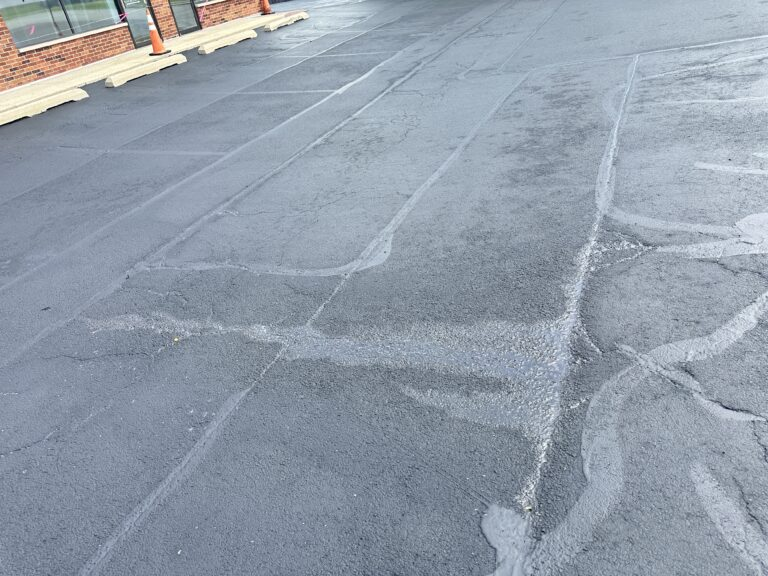
Cracks provide a pathway for water to enter the pavement. Crack filling can help seal manageable cracks, keep moisture out, and reduce the risk of further deterioration.
Regular inspections can help property owners identify new cracks before they become larger pavement problems.
2. Maintain Proper Drainage
Water should be able to drain away from asphalt rather than collect on the surface.
Keep catch basins, drains, and surrounding drainage areas clear of leaves, dirt, and debris. If water repeatedly collects in the same area, the underlying drainage problem may need to be addressed.
3. Sealcoat Asphalt When Appropriate
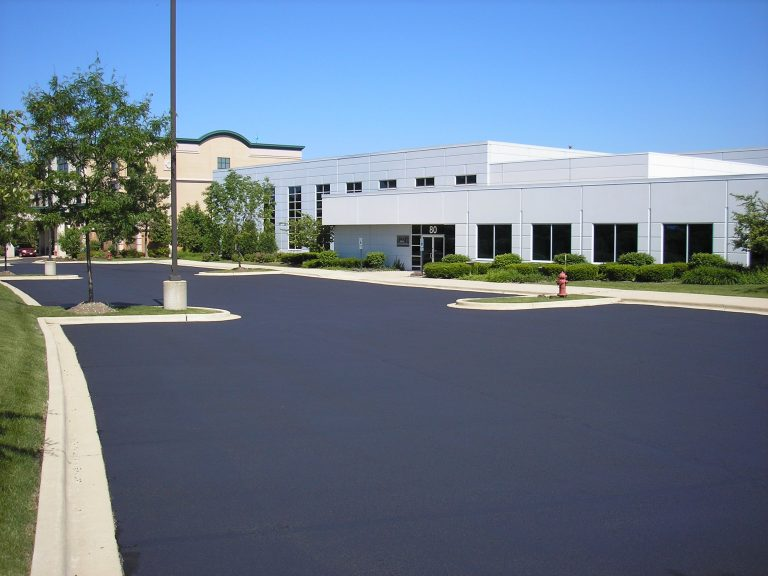
Sealcoating can help protect asphalt from moisture, sunlight, and everyday surface wear. It does not repair potholes or major structural damage, but it can be part of a regular pavement maintenance program.
Before sealcoating, existing cracks and significant pavement damage should be properly addressed.
4. Inspect Pavement Regularly
Regular inspections can help identify small problems before they become larger ones. Check asphalt after winter, heavy rain, and other severe weather conditions.
Look for:
- New or expanding cracks
- Small depressions
- Standing water
- Crumbling pavement
- Uneven areas
- Early pothole formation
Early identification allows property owners to address damage before it spreads.
5. Address Small Pavement Problems Promptly
A small damaged area can become much more expensive if it is left untreated. Regular inspections can help identify cracks, depressions, drainage problems, edge deterioration, and other signs of pavement distress.
For commercial properties and larger parking lots, scheduled inspections can make it easier to plan maintenance before damage affects larger sections of pavement.
6. Keep Asphalt Free From Standing Water
After rainfall or snowmelt, check areas where water tends to remain on the pavement. Persistent standing water can indicate a drainage or grading problem.
Addressing these conditions can help reduce prolonged moisture exposure and protect the pavement from additional damage.
Need Help With Pothole Repair?
Potholes can develop from moisture, freeze-thaw cycles, heavy traffic, and underlying pavement problems. Getting the damaged area addressed early can help prevent the pothole from expanding and affecting more of the surrounding asphalt.
American Sealcoating Inc. provides pothole repair for driveways, parking lots, and other asphalt surfaces in Lincolnshire and neighboring communities in Illinois.
Whether a pothole has recently appeared or is part of a larger pavement problem, proper repair can help restore the damaged area and keep your asphalt in better condition.
👉 Call/Text 847-520-3114 to request a free estimate.