
Concrete sidewalks and walkways provide a durable, practical surface for getting around residential and commercial properties. They also contribute to curb appeal and can make outdoor areas more functional and attractive.
While concrete is known for its strength and longevity, it still requires regular maintenance to prevent stains, cracks, surface deterioration, and other problems. If your concrete already has visible damage, professional concrete repair and maintenance services can help address cracks, surface deterioration, and other issues.
Whether you are maintaining a residential walkway, commercial sidewalk, HOA property, or shared pedestrian area, a few simple maintenance practices can extend the life of your concrete surfaces.
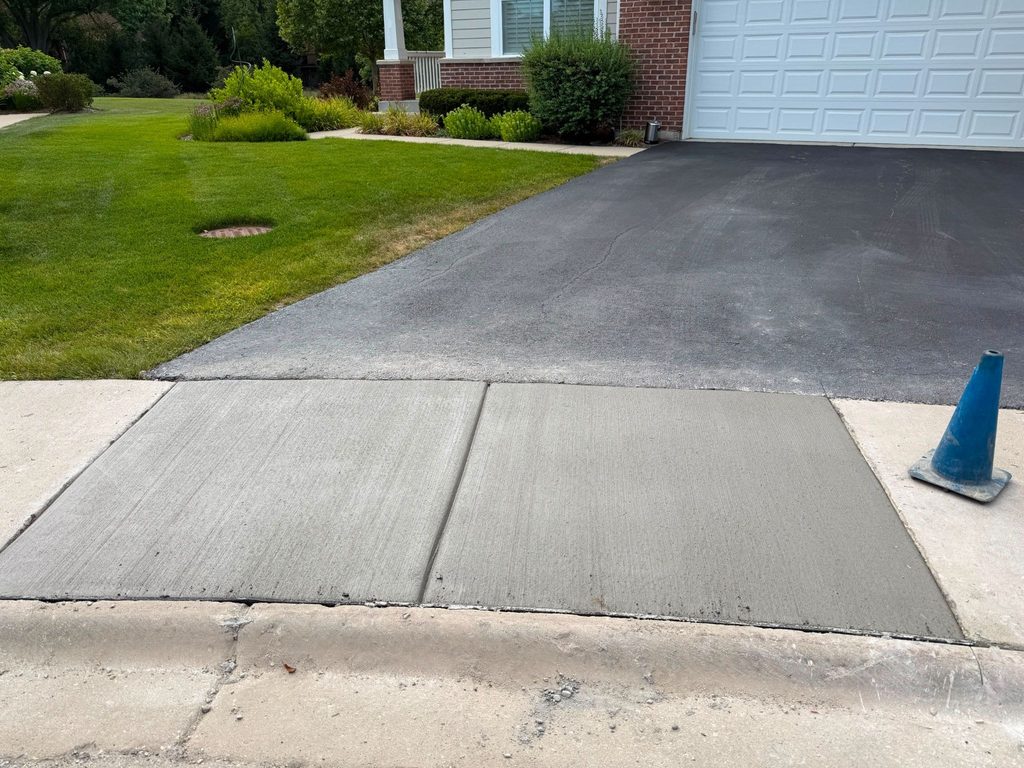
9 Steps to Keep Sidewalks and Walkways in Good Condition
1. Conduct Regular Inspections
Early detection of concrete issues prevents minor blemishes from evolving into major hazards. Schedule thorough visual inspections at least twice a year, ideally in early spring after the winter thaw and in late autumn before the first freeze.
During your inspection, search for:
- Hairline Cracks: Narrow surface cracks that can allow water penetration.
- Deep or Expanding Cracks: Cracks wider than 1/4 an inch, which indicates structural movement or severe weathering.
- Uneven Slabs (Trip Hazards): Slabs that have settled or lifted due to tree roots, soil erosion, or frost heave.
- Spalling or Scaling: Flaking, chipping, or peeling on the concrete surface, often caused by deicing salts or freeze-thaw cycles.
- Ponding Water: Standing water along or near the walkway, signaling poor drainage around the concrete pad.
2. Keep Concrete Surfaces Clean
Regular cleaning is one of the easiest ways to maintain concrete sidewalks and walkways. Dirt, leaves, mud, oil, and other debris can build up on the surface and make the area look neglected. Organic debris can also retain moisture, which may contribute to staining and surface deterioration.
Sweep sidewalks and walkways regularly to remove leaves, dirt, and loose debris. For heavier buildup, wash the surface with water and use a suitable concrete cleaner when necessary. Stubborn stains may require additional treatment, but avoid using harsh chemicals that could damage the concrete.
For commercial properties and high-traffic areas, more frequent cleaning may be necessary to maintain a clean and presentable appearance.
3. Repair Cracks Before They Get Worse
Ignoring concrete cracks can allow minor damage to become a larger repair issue. Water can enter cracks and contribute to further deterioration, particularly when temperatures fluctuate.
The appropriate repair method depends on the size, depth, and cause of the crack. Minor cracks may be suitable for filling, while larger cracks or damaged sections may require more extensive concrete repair.
If a crack continues to expand or returns after repair, it is important to determine why it is occurring rather than repeatedly treating the surface.
4. Manage Water and Drainage
Many concrete problems trace back to poor drainage. Standing water can speed up deterioration, encourage algae growth, and create slippery conditions. If your property has recurring standing water, poor runoff, or drainage issues around your concrete walkways, consider professional drainage repair services to help identify and address the underlying problem.
Make sure downspouts and gutters discharge water well away from walkways, ideally several feet. Confirm that the surrounding soil slopes away from the concrete rather than toward it. Keep the edges of the slab free of built-up soil, mulch, or turf, as these can trap moisture and hide early signs of damage.
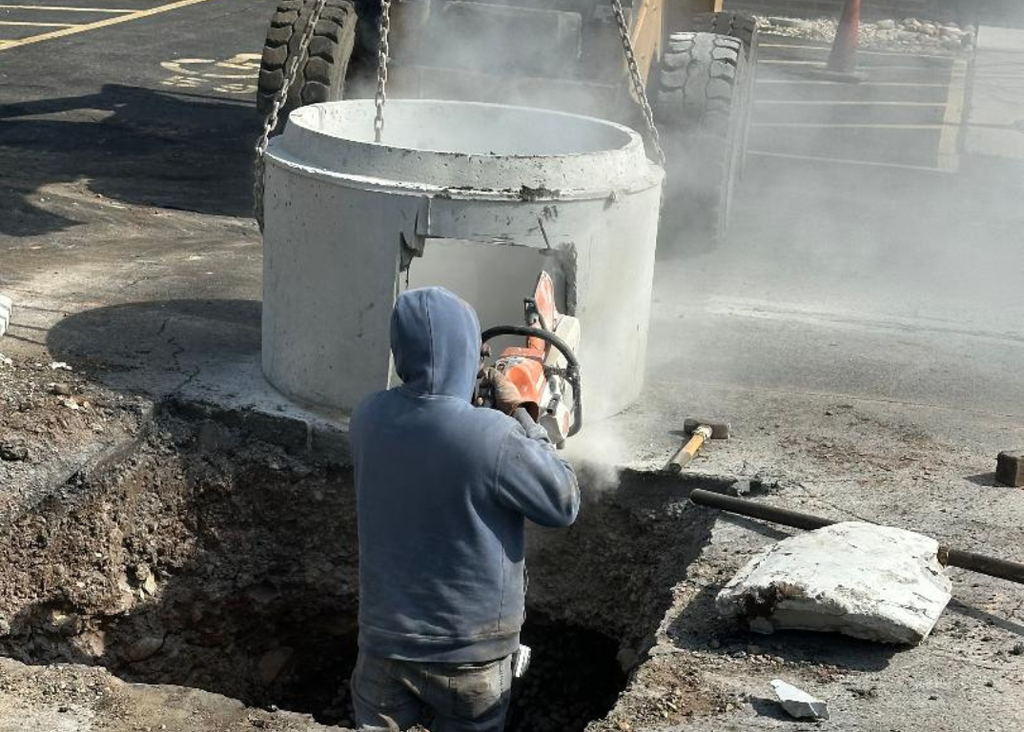
5. Watch for Uneven or Settled Concrete
Concrete sidewalks should provide a relatively smooth and level walking surface. Over time, sections can settle or become uneven because of soil movement, drainage problems, tree roots, erosion, or other factors.
Uneven concrete can create trip hazards for pedestrians and may become particularly problematic in areas with heavy foot traffic.
Look for:
- Raised or sunken sections
- Uneven joints
- Gaps between concrete slabs
- Areas where water collects after rain
- Concrete affected by nearby tree roots
Many municipalities consider a vertical change of roughly 1/4 inch to 1/2 inch a point where a trip hazard may need to be addressed, although requirements can vary by location. If a section of concrete has become a significant trip hazard, professional trip-hazard grinding may provide a way to correct the uneven edge without replacing the entire slab.
If sections have shifted significantly, professional evaluation may be necessary to determine whether the area can be corrected or needs replacement.
6. Manage Surrounding Vegetation and Tree Roots
Trees and shrubs planted near walkways can improve the appearance of your property, but growing roots can eventually push against or beneath concrete slabs. Regularly checking vegetation near walkways can help you identify potential problems before roots cause significant lifting or cracking.
- Tree Root Management: If tree roots begin lifting a walkway slab, consider installing root barriers vertically along the edge of the walkway to redirect roots downward.
- Trim Overhanging Vegetation: Keep bushes, lawn edges, and branches trimmed back from walkways. Overhanging foliage blocks sunlight, preventing moisture from drying out and promoting moss growth.
- Control Weeds: Promptly remove weeds sprouting in control joints or cracks, as their growing root systems can force joints apart.
7. Address Stains and Spills Quickly
Concrete is durable, but it can absorb certain substances and develop difficult-to-remove stains. Oil, grease, rust, food, and other materials can leave marks on sidewalks and walkways.
Clean spills as soon as possible rather than allowing them to sit on the surface. The longer certain substances remain on concrete, the more difficult they may be to remove.
For commercial properties, regular inspections can help identify stains quickly and keep pedestrian areas looking clean.
Also Read: How to Remove Oil Stains From a Concrete Driveway
8. Protect Concrete During Winter
Cold weather can be particularly hard on concrete. Water that enters small cracks can freeze and expand, potentially making existing damage worse.
Before winter, inspect sidewalks for cracks and drainage issues. Keep surfaces clear of leaves and debris so water can drain properly.
If the concrete is new, keep de-icing salts off the surface during its first winter. Fresh concrete is more susceptible to scaling and surface damage, and exposure to de-icing chemicals can increase that risk. For existing concrete, follow the de-icing product manufacturer’s instructions and avoid applying more product than necessary.
Snow should also be removed carefully. Avoid using equipment or tools in a way that could chip or damage the concrete surface.
9. Seal the Concrete When Appropriate
Sealing concrete can provide an additional layer of protection against moisture, stains, de-icing salts, and the freeze-thaw conditions common in our climate. A properly maintained sealer can help reduce the amount of water and contaminants that penetrate the concrete surface.
If you have new concrete, allow it to cure for the appropriate amount of time before applying a sealer. Sealing too soon can interfere with the curing process, so follow the concrete manufacturer’s or sealer manufacturer’s recommendations for timing. Existing concrete should also be cleaned and properly prepared before sealing.
The right sealing schedule depends on the condition of the concrete, the type of sealer used, and how heavily the surface is exposed to weather and traffic.
Related Articles:
What Causes Potholes and How Can You Prevent Them?
Parking Lot Maintenance: A Complete Guide
Maintain Your Concrete Before Small Problems Become Big Ones
Concrete walkways and sidewalks are exposed to changing weather, foot traffic, moisture, and everyday wear throughout the year. Addressing minor problems early can help prevent costly repairs and keep your property in good condition.
When concrete damage goes beyond routine maintenance, American Sealcoating can help determine what your property needs. From repairing damaged surfaces to addressing problems that affect the condition of your paved areas, our team serves residential and commercial properties in Arlington Heights, Buffalo Grove, Des Plaines, Evanston, Lincolnshire, Northbrook, Palatine, Prospect Heights, Vernon Hills, Wheeling, and surrounding communities.
Whether you need concrete repair, crack filling, trip-hazard grinding, drainage work, or other pavement maintenance, our team can help evaluate the condition of your property and recommend the appropriate solution.
Call/text 847-520-3114 or request a free estimate to get started with American Sealcoating.