
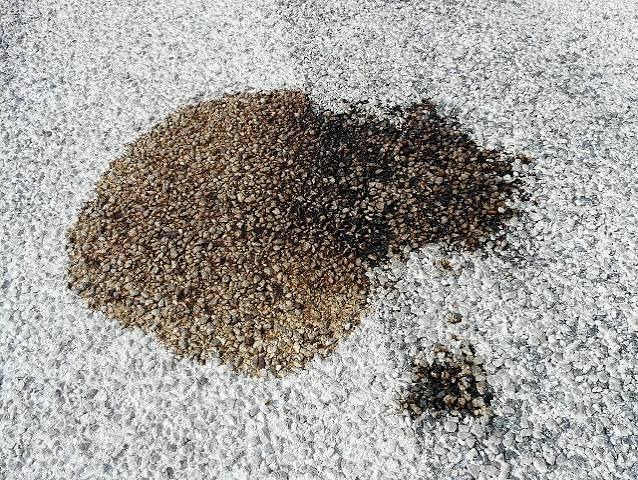
Oil stains on a concrete driveway can make an otherwise clean property look neglected. Whether the stain comes from a leaking vehicle, an accidental spill, or routine maintenance, oil can quickly soak into concrete’s porous surface. The longer it stays, the harder it can be to remove.
Fortunately, many fresh and moderate oil stains can be treated with household products and the right cleaning process. Older or deeply embedded stains may require stronger cleaning methods or professional pressure washing.
Why Oil Stains Are So Hard to Remove
Concrete is porous, so spilled oil can soak below the surface instead of staying only on top. The longer the oil sits, the deeper it can penetrate.
Rain and regular washing may remove some surface dirt, but they usually don’t remove oil that has already absorbed into the concrete. This is why treating a fresh spill as soon as possible is usually easier than dealing with an old stain.
What You Need to Remove an Oil Stain
Before starting, gather:
- Absorbent material such as cat litter, baking soda, or sawdust
- Dishwashing detergent or a concrete-safe degreaser
- A stiff-bristled brush
- Warm water
- A garden hose
For larger or older stains, a professional cleaning method may be more appropriate, particularly when oil has penetrated deeply into the concrete.
7 Steps to Get Oil Stains Off a Concrete Driveway
Step 1: Treat Fresh Spills Immediately
If the oil spill just happened, time is your best friend.
- Absorb the excess: Do not wipe or scrub fresh oil, as this drives it deeper into the concrete pores.
- Apply an absorbent: Cover the entire stain generously with cat litter, baking soda, or cornstarch.
- Let it sit: Allow it to absorb the surface oil for at least 30 minutes to an hour.
- Sweep and dispose: Sweep up the saturated material and dispose of it safely, following local environmental regulations.
Step 2: Scrub with Heavy-Duty Soap and Water
For light or recently absorbed oil marks, a deep scrub with a strong degreaser is often enough.
- Apply a degreasing cleaner: Squirt concentrated dish soap or a commercial liquid concrete degreaser directly onto the stain.
- Add warm water & scrub: Pour warm water over the area and scrub vigorously using a stiff-bristled brush (avoid wire brushes, as metal bristles can scratch the concrete or leave tiny metal flakes that rust).
- Rinse thoroughly: Flush the area with clean water using a garden hose or pressure washer.
Step 3: Try Baking Soda for Smaller Stains
Baking soda can also help lift oil from concrete, especially when dealing with small spots. Its absorbent properties can help draw some of the oil out of the surface.
Cover the stain with baking soda and add enough water to create a thick paste. Spread the mixture over the affected area and allow it to sit for several hours. Once it has dried, scrub the area with a stiff brush and rinse thoroughly.
For stubborn stains, repeat the treatment rather than aggressively scrubbing the concrete for a long period. Multiple treatments can gradually reduce the appearance of the stain.
Step 4: Use a Commercial Concrete Degreaser
When household methods do not produce the desired results, a concrete-safe degreaser may be more effective. These products are specifically formulated to break down grease, oil, and other automotive fluids.
Before applying a degreaser, read the manufacturer’s instructions carefully. Some products need to be diluted, while others can be applied directly to the stain.
A basic process includes:
- Apply the degreaser according to the product instructions.
- Allow it to sit for the recommended amount of time.
- Scrub the stain and rinse the area thoroughly.
Always test a cleaning product on a small, inconspicuous section of concrete first. This can help you determine whether the product could discolor or damage the surface.
Step 5: Use Power Washing for a Deeper Clean
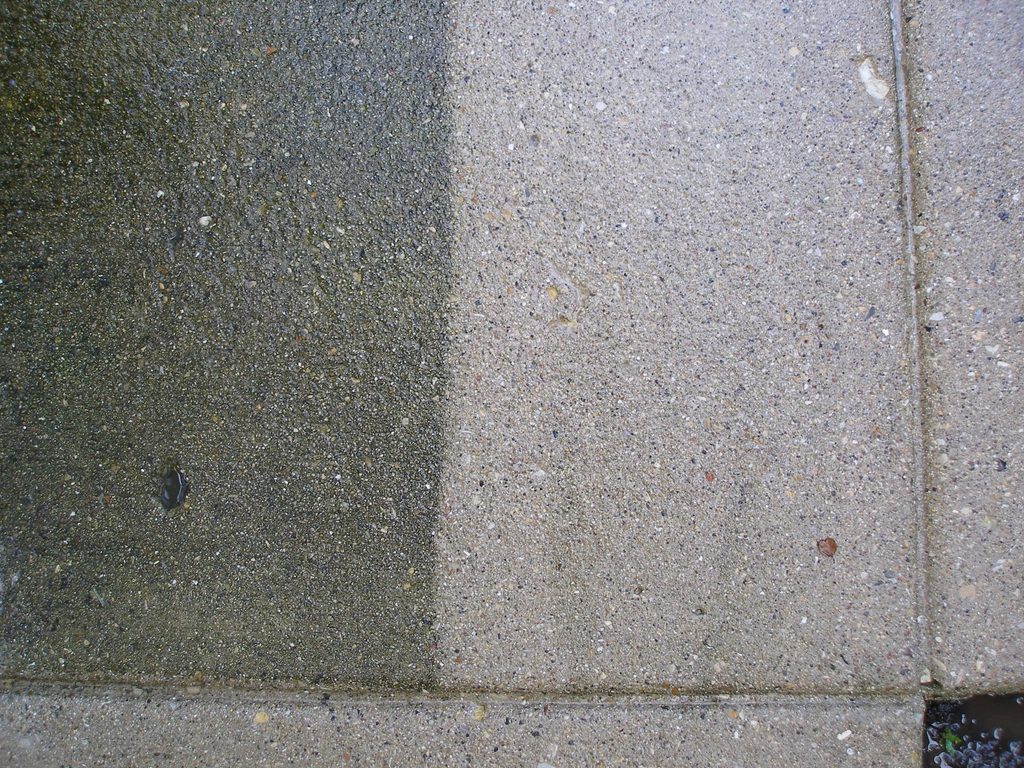
Pressure washing can help remove oil residue and loosen dirt that has accumulated around the stain. It can be particularly useful after applying a degreaser because the pressure can help flush loosened contaminants from the concrete surface.
However, pressure washing needs to be done carefully. Holding the nozzle too close to the concrete or using excessive pressure can damage the surface, especially if the concrete is already cracked, worn, or deteriorated.
For better results:
- Pretreat the stain with a suitable concrete degreaser.
- Use an appropriate pressure setting for the concrete.
- Keep the nozzle moving instead of concentrating the spray in one spot.
If you are unsure about the appropriate pressure or cleaning method, professional power washing can provide a safer option.
Step 6: Avoid Using Harsh Chemicals Without Checking the Surface
Not every cleaning chemical is suitable for concrete. Using an overly aggressive product can damage the surface, create discoloration, or cause other problems.
Keep these precautions in mind:
- Never mix different cleaning chemicals.
- Follow the manufacturer’s instructions for commercial products.
- Wear gloves and eye protection when handling strong cleaners.
You should also consider where the wastewater will go. Oil-contaminated water should not simply be allowed to flow into storm drains or areas where it could contaminate soil or waterways.
Step 7: Prevent Future Oil Stains
Once you have removed an oil stain, prevention can make future driveway maintenance easier. Keep an eye out for vehicle leaks and address them as soon as possible.
If a vehicle regularly leaks oil, place a drip pan or absorbent mat underneath it until the mechanical issue is repaired. Clean up small spills promptly rather than allowing them to sit on the driveway.
Sealing concrete can also provide additional protection against staining. A suitable concrete sealer can reduce the ability of oil and other substances to penetrate the surface. The appropriate sealer depends on the type and condition of the concrete, so follow the product recommendations carefully.
Regular driveway cleaning can also prevent oil residue and dirt from accumulating over time.
When Should You Call a Professional?
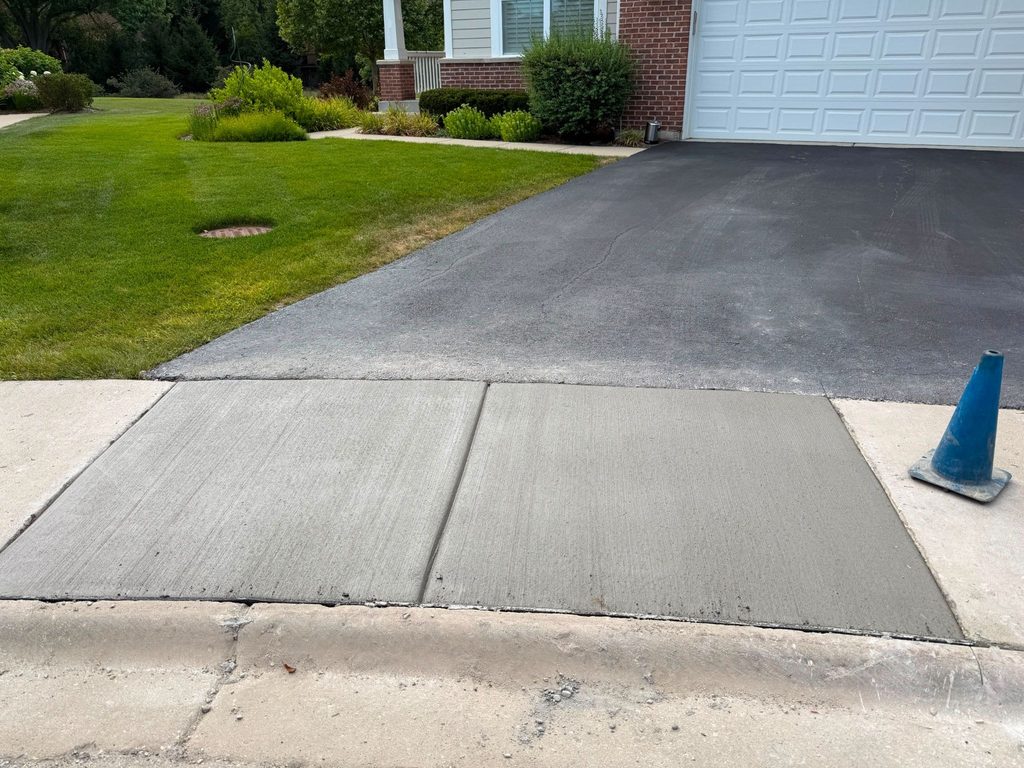
DIY cleaning can work well for small, fresh oil stains, but some situations call for professional help. Consider professional concrete cleaning if:
- The stain is large or deeply embedded.
- The stain has remained for several months or years.
- Multiple cleaning attempts have not produced satisfactory results.
Professional power washing equipment and commercial cleaning products can provide more effective cleaning than many household methods. A professional can also adjust the cleaning approach based on the condition of the concrete.
It is especially important to be cautious if the driveway is old, cracked, or already showing signs of surface deterioration. Excessive pressure or improper cleaning techniques can make existing damage worse.
Also Read: How Weather Affects Asphalt Driveways and Parking Lots
Make Your Driveway Look Clean with American Sealcoating
A clean, well-maintained driveway can make a noticeable difference to your property’s appearance. American Sealcoating provides power washing services to clean concrete driveways, patios, and brick pavers, helping restore a cleaner, refreshed appearance.
If your driveway or any other concrete/asphalt surfaces need professional cleaning or additional pavement maintenance, we can assess the condition of the surface and recommend the appropriate service.