
Your driveway is one of those parts of your property you probably do not think about until something goes wrong. A new crack appears, a pothole starts forming, or the surface begins to look worn, and you start wondering: Is this normal aging, or is my driveway nearing the end of its life?
An asphalt driveway can last for many years, but it will not last forever. How long it stays in good condition depends on how it was installed, how much use it gets, how well water drains from the surface, and how consistently it is maintained.
Knowing what affects its lifespan can help you spot problems early and understand when repairs may no longer be enough.
How Long Does an Asphalt Driveway Typically Last?
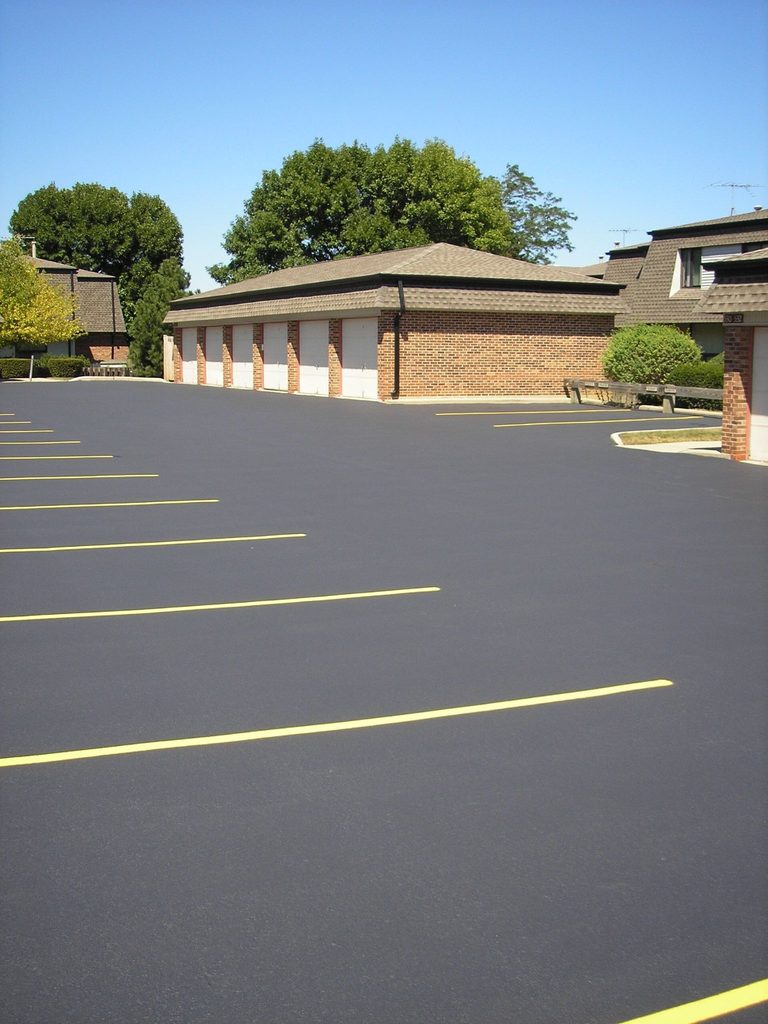
A typical asphalt driveway can last around 15 to 25 years when it is properly installed and maintained. However, there is no fixed expiration date for asphalt. Some driveways may begin showing significant wear sooner, while others can remain functional beyond 25 years with the right care.
Several factors influence how long the pavement lasts, including the quality of the original installation, local weather conditions, drainage, vehicle traffic, and regular maintenance. Understanding these factors can help you identify what may be shortening your driveway’s lifespan and what you can do to keep it in good condition.
Tip: Weather conditions can significantly affect asphalt driveway performance and lifespan. Learn how weather affects asphalt driveways and parking lots and what you can do to reduce weather-related pavement damage.
Signs Your Asphalt Driveway May Need Replacement
Age alone does not mean an asphalt driveway needs to be replaced. The condition of the pavement is often a better indicator. Widespread damage, recurring problems, and structural deterioration can suggest that repairs may no longer be enough.
1. Extensive Cracking
A few small cracks are common as asphalt ages and can often be repaired. However, cracks that cover large areas of the driveway or form interconnected patterns may indicate deeper deterioration.
2. Multiple or Recurring Potholes
An isolated pothole can often be repaired, but repeated potholes may point to problems beneath the asphalt. If potholes continue to return after repairs, the underlying base may need more extensive attention.
3. Deep Ruts and Depressions
Deep tire ruts, sinking areas, or noticeable depressions can affect how water moves across the driveway and may indicate weakness below the surface. Widespread unevenness can be a sign that replacement should be considered.
Tip: Cracks, potholes, rutting, and surface deterioration can shorten an asphalt driveway’s useful life. Learn about the most common asphalt problems and how to address them early.
4. Crumbling Edges
Driveway edges can deteriorate from water exposure, poor support, or vehicles repeatedly driving too close to the edge. When crumbling becomes widespread, simple patching may not provide a lasting solution.
5. Widespread Surface Deterioration
An older driveway may develop a rough, brittle, or heavily worn surface. When deterioration affects most of the pavement rather than a few isolated areas, replacing the driveway may be more practical than continuing with repeated repairs.
What Can Shorten an Asphalt Driveway’s Lifespan?
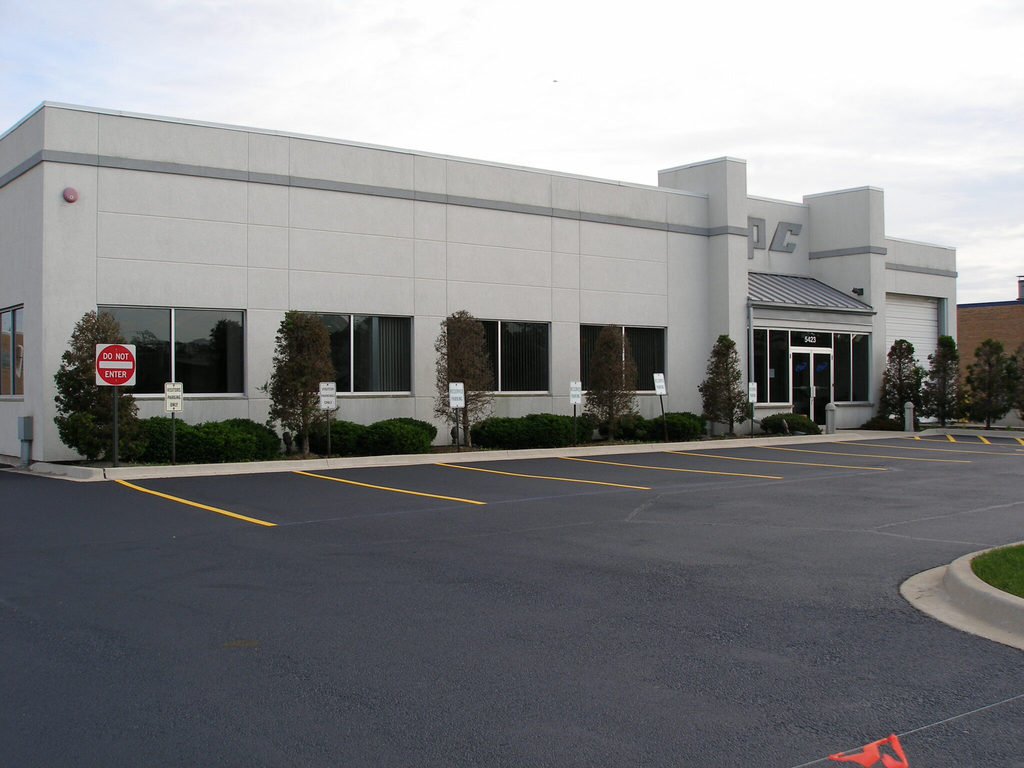
Several factors can affect how long an asphalt driveway remains in good condition. Some are related to installation, while others develop through daily use and exposure to the elements.
- Installation Quality: Proper grading, a stable base, suitable asphalt thickness, and thorough compaction can support a longer-lasting driveway.
- Weather Conditions: Sunlight, rain, snow, ice, and temperature changes can gradually wear down asphalt and cause existing cracks to expand.
- Drainage: Standing water can weaken the asphalt and underlying base, making proper drainage important for preventing moisture-related damage.
- Traffic and Vehicle Weight: Frequent heavy vehicle traffic can place additional stress on the pavement and contribute to cracking, rutting, and surface wear.
- Maintenance: Timely crack and pothole repairs, proper drainage, and sealcoating when appropriate can help slow deterioration and extend the driveway’s useful life.
Taking care of these factors can help reduce premature deterioration and keep an asphalt driveway functional for longer.
Note: Oil and other vehicle fluids can leave marks on driveway surfaces and should be addressed promptly. Know how to remove oil stains from a concrete driveway for practical cleaning guidance.
Does an Old Asphalt Driveway Always Need Replacement?
No, an older driveway does not automatically need replacement. The right solution depends on the extent and depth of the damage.
- Minor surface damage: Crack filling, patching, or sealcoating may be appropriate.
- Localized damage: Individual potholes or damaged sections may be repaired without replacing the entire driveway.
- Widespread surface deterioration: Resurfacing may be an option when the underlying pavement remains structurally sound.
- Severe structural damage: Full replacement may be necessary when the base has failed, or damage is widespread.
A professional evaluation can help determine whether repairs can extend the driveway’s service life or whether replacement is more appropriate.
Asphalt Driveway Repair and Replacement Options
Understanding the available options can make driveway maintenance decisions easier.
| Option | Generally Used For |
| Crack Repair | Small cracks and limited surface damage |
| Patching | Isolated potholes or damaged sections |
| Sealcoating | Protecting and maintaining suitable asphalt surfaces |
| Resurfacing | Worn surfaces with a sound underlying base |
| Replacement | Extensive or structural deterioration |
The condition beneath the visible surface is especially important. A driveway may look worn but still have a stable base, making resurfacing possible. If the foundation has deteriorated, a new surface alone may not solve the problem.
Also Read: Asphalt Repair vs. Replacement: Which Option is Right for Your Property?
How to Extend the Life of an Asphalt Driveway
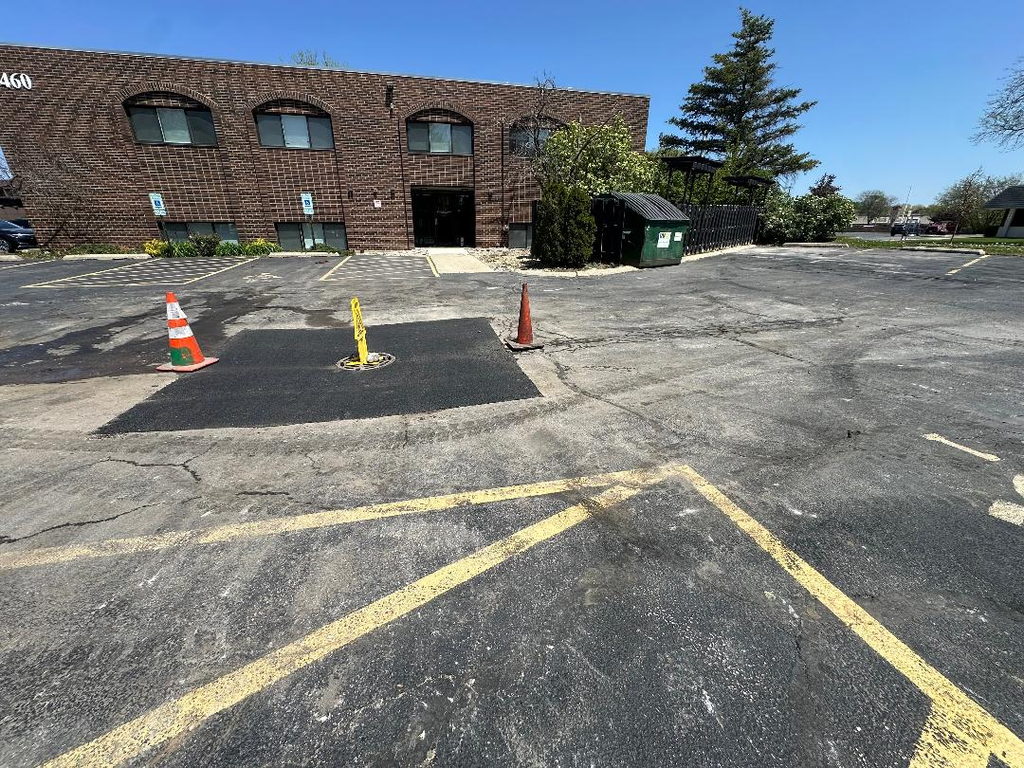
Regular maintenance can help reduce premature deterioration and keep an asphalt driveway in better condition. For homeowners, addressing small problems early can help prevent more extensive damage over time.
- Fill cracks early, before water gets into the base
- Sealcoat every few years once the surface is fully cured
- Avoid parking heavy vehicles, such as RVs or trailers, near the edges
- Keep vehicles from driving right along the edge of the pavement
- Trim tree roots and overhanging branches that shade or lift the surface
- Clean up oil, gas, and chemical spills quickly
- Redirect downspouts and sprinklers away from the driveway
- Walk the driveway once or twice a year and note any new damage
These steps cannot prevent normal aging, but they can help protect the pavement from avoidable damage and keep the driveway in better condition for longer.
Related Articles:
Parking Lot Maintenance: A Complete Guide
5 Signs Your Commercial Parking Lot Needs Repair
How to Choose the Right Asphalt Paving Contractor
When Repairs Aren’t Enough, What’s Next?
If cracks, potholes, and other problems keep coming back, repeated repairs may no longer be the right solution. A professional assessment can help determine whether your driveway can be restored or if replacement is the better option.
American Sealcoating Inc. has provided pavement maintenance and related services since 1991, helping residential and commercial property owners maintain asphalt and concrete surfaces. From sealcoating and asphalt repairs to paving and concrete maintenance, we can help you determine the right approach for your driveway.
Don’t wait for small problems to become major pavement damage. Contact American Sealcoating Inc. today for a free estimate and take the next step toward a better-maintained driveway.