
Sealcoating is an important part of asphalt maintenance. It helps protect pavement from water, UV rays, oil, chemicals, and everyday wear while improving the overall appearance of a driveway or parking lot. However, once applied, sealcoating needs enough time to dry and cure before the pavement is ready for regular use.
In general, newly sealcoated asphalt should remain free of vehicle traffic for at least 24 hours. However, drying time can vary depending on temperature, humidity, sunlight, the type of sealer, pavement condition, and the thickness of the application. Under less favorable conditions or in heavier-traffic areas, additional drying time may be necessary.
An asphalt sealcoating contractor may provide specific instructions based on the product being applied and the weather conditions on the day of the project.
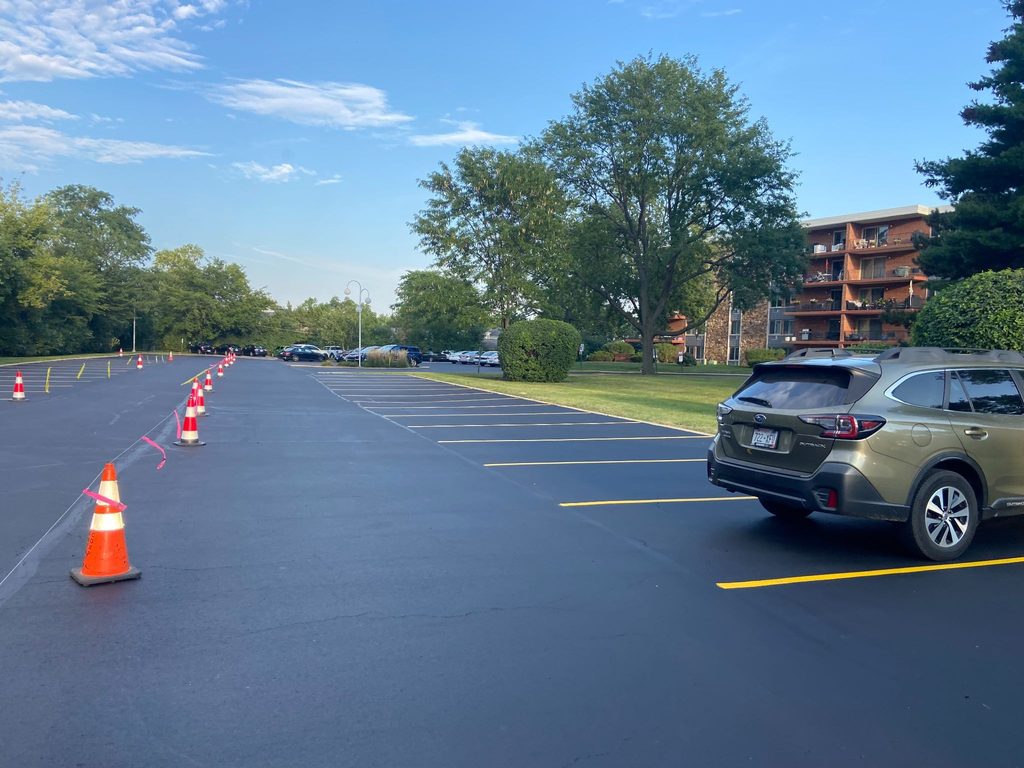
What is the Difference Between Drying and Curing?
Drying and curing are not exactly the same thing.
Drying occurs when moisture in the sealcoating evaporates and the surface becomes dry to the touch. This can happen relatively quickly under warm, dry conditions.
Curing takes longer. During curing, the sealcoating continues to harden and develop its intended protective properties. A surface may look dry but still be vulnerable to tire marks, scuffing, or damage from traffic.
This is why allowing sufficient time before driving or parking on newly sealcoated asphalt is important.
7 Factors That Affect Sealcoating Drying Time
Several conditions can affect how quickly an asphalt sealcoat dries.
1. Temperature
Temperature plays an important role in how quickly sealcoating dries. Warm, moderate temperatures can help sealcoating dry in as little as 8 hours, while cooler conditions may extend the drying time to 36 hours or more.
For the best results, sealcoating is generally applied in temperatures between 70°F and 85°F, with 50°F as the minimum. Extremely hot weather above 90°F can also affect the curing process.
2. Humidity
Humidity can have a direct impact on how quickly sealcoating dries. High humidity slows moisture evaporation, which can make the drying process take longer. In contrast, lower humidity helps sealcoating dry faster.
For the best results, it is recommended to apply sealcoating when humidity levels are moderate. This allows the coating to dry evenly and cure properly.
3. Sunlight
Sunlight can help sealcoating dry faster by providing warmth and encouraging moisture to evaporate. Areas exposed to direct sunlight may dry more quickly than shaded sections.
- Direct sunlight can speed up moisture evaporation.
- Shaded areas may require additional drying time.
- The entire surface should be dry before vehicle traffic resumes.
4. Airflow
Airflow is another factor that can affect sealcoating drying time. Good air circulation helps moisture evaporate from the coating, allowing the surface to dry more efficiently and evenly.
For the best results, sealcoating should be applied when there is good, steady airflow and suitable weather conditions. Giving the surface enough time to dry before allowing traffic will help protect the fresh sealcoat and provide a smoother, more durable finish.
5. Rain
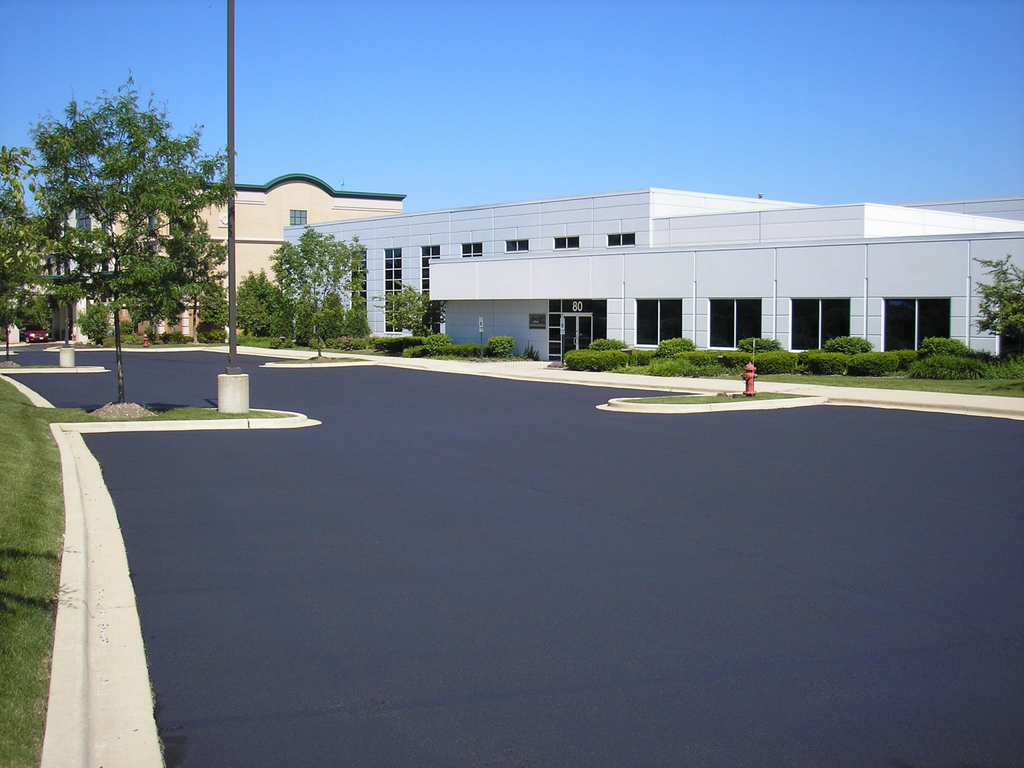
Rain can interfere with freshly applied sealcoating and affect its finish. The coating needs sufficient time to dry before being exposed to water, so projects should be scheduled during a suitable period of dry weather.
- Check the weather forecast before sealcoating.
- Postpone application when rain is expected soon.
- Allow enough drying time before rainfall or vehicle traffic.
6. Number of Coats
Some asphalt maintenance projects involve more than one coat of sealer. Additional coats can require more time between applications and may extend the overall project timeline.
The contractor should allow each coat to dry according to the product requirements before applying another coat or opening the pavement to traffic.
7. Pavement Condition
The condition of the asphalt can also affect the sealcoating process. Cracks, potholes, and areas of surface deterioration may need to be repaired before the coating is applied. Sealcoating is designed to protect and maintain suitable asphalt, rather than correct major structural problems.
- Repair significant cracks and potholes before sealcoating.
- Clean and prepare the pavement properly before application.
- Address major surface damage before applying a protective coating.
Can You Drive on Sealcoating After a Few Hours?
A sealcoated surface may appear dry after several hours, but that does not necessarily mean it is ready for vehicles.
Tires place considerably more pressure and friction on asphalt than foot traffic. Turning, braking, accelerating, and parking can damage a coating that has not fully cured.
Even if the surface feels dry, giving it additional time is generally the better approach. Following the contractor’s recommended waiting period can help reduce the risk of tire marks and premature wear.
What Happens If You Drive on Sealcoating Too Soon?
Driving on sealcoating before it has sufficiently dried can cause several problems.
Tire marks: Tires can leave visible marks on soft sealcoating.
Scuffing: Turning vehicles can create scuffs or uneven areas.
Surface damage: Fresh coating can be displaced or damaged by vehicle traffic.
Uneven appearance: Premature traffic may result in a patchy or inconsistent finish.
Reduced protection: Damage to the coating can reduce the protection it provides to the asphalt.
These problems may be especially noticeable in parking lots where vehicles frequently turn, stop, and maneuver.
Related Articles:
What is Sealcoating and How Does it Protect Asphalt?
How to Choose the Right Asphalt Paving Contractor
How Weather Affects Asphalt Driveways and Parking Lots
Give Your Pavement a Fresh Look with American Sealcoating
Knowing how long sealcoating takes to dry is important for protecting your newly treated driveway or parking lot. Allowing enough drying time before walking or driving on the surface helps the sealcoat cure properly and reduces the risk of marks or damage.
American Sealcoating provides professional sealcoating services for residential and commercial properties in the north and northwest suburbs of the Chicagoland area.
Whether you need driveway sealcoating, parking lot striping, or other pavement maintenance, we provide the services needed to keep your asphalt surfaces protected, functional, and well-maintained.
Planning to sealcoat your driveway or parking lot? Get in touch with American Sealcoating today for professional sealcoating services.