
Asphalt is built to last, but constant exposure to sunlight, rain, snow, vehicle traffic, and changing temperatures can gradually take a toll. Over time, the surface may fade, become brittle, and develop cracks that allow moisture to penetrate deeper into the pavement.
Sealcoating is a preventive maintenance treatment that helps give asphalt an added layer of protection against these everyday stresses. It helps shield the surface, slow down weather-related wear, and restore a darker, cleaner appearance.
Whether it’s a residential driveway or a busy commercial parking lot, regular sealcoating can help keep asphalt looking better and performing well for longer.
What is Sealcoating?
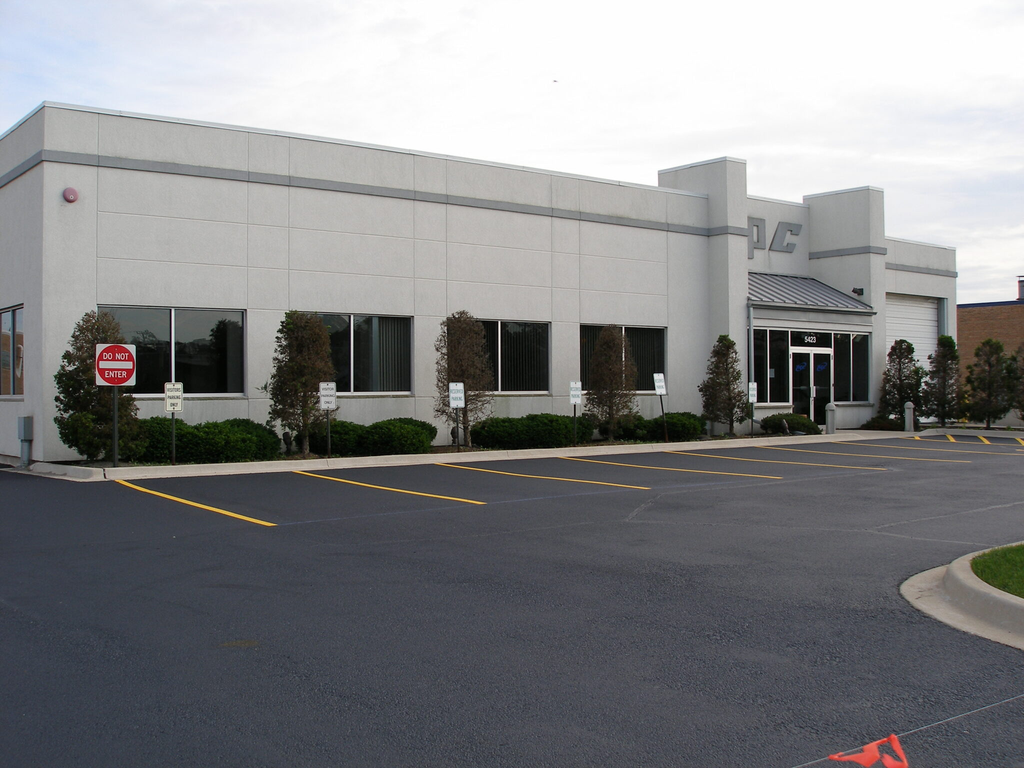
Sealcoating is a protective coating applied to existing asphalt pavement to maintain and improve the surface. It is usually applied as a liquid mixture that spreads across the asphalt and forms a protective layer as it cures.
The process is used on driveways, parking lots, private roads, and other asphalt surfaces as part of routine pavement maintenance. It can also refresh the appearance of older asphalt by giving it a darker, more uniform finish.
Sealcoating is a maintenance treatment, not a repair method. Cracks, potholes, and other significant surface damage should be repaired before sealcoating so the coating can be applied to a properly prepared surface.
Tip: Regular asphalt maintenance can help prevent minor pavement issues from becoming more costly repairs. If your driveway or parking lot needs professional attention, request a free estimate from American Sealcoating Inc.
How Does Sealcoating Protect Asphalt?
Several factors contribute to asphalt deterioration. A properly applied sealcoat can help protect against some of the most common sources of surface wear.
1. Helps Reduce Moisture Penetration
Water is one of the biggest threats to asphalt. When moisture gets into cracks and reaches the underlying layers, it can weaken the pavement and contribute to further deterioration. This is especially important in areas that experience freezing temperatures and repeated changes in weather.
Sealcoating helps protect against moisture by:
- Reduces moisture exposure
- Protects the surface from water
- Limits the effects of freeze-thaw cycles
This added protection helps keep moisture from causing unnecessary surface damage.
2. Helps Protect Against UV Exposure
Sunlight gradually oxidizes asphalt. This process can cause the pavement to lose its dark appearance and become harder and more brittle over time.
A properly applied sealcoat provides an additional protective layer over the asphalt, helping limit direct exposure to the elements and slowing surface deterioration.
3. Helps Resist Everyday Traffic Wear
Asphalt surfaces deal with regular vehicle activity every day. Driveways may experience repeated use from passenger vehicles, while commercial parking lots can handle heavier traffic, delivery vehicles, and frequent turning. This constant activity can gradually wear down the surface.
Sealcoating helps manage everyday surface wear by:
- Reduces surface abrasion
- Helps manage everyday traffic wear
- Supports ongoing pavement maintenance
It provides an added layer of protection against routine surface stress.
4. Improves Pavement Longevity
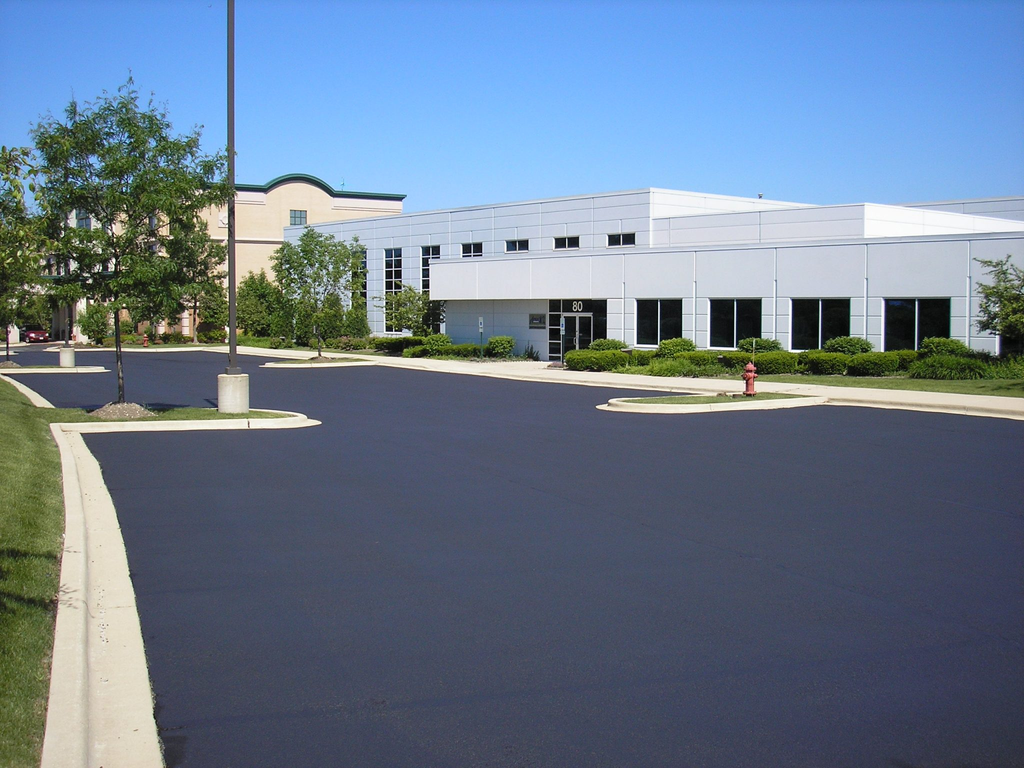
By protecting asphalt from moisture, sunlight, oxidation, and everyday wear, sealcoating helps slow surface deterioration. This added protection can keep pavement in better condition and extend its useful service life.
Sealcoating also creates a protective barrier against common elements that gradually wear down asphalt. With regular maintenance and timely repairs, this added layer of protection can help preserve the pavement’s condition and reduce the need for premature replacement.
5. Helps Resist Oil and Chemical Exposure
Asphalt can be affected by oil, gasoline, and other automotive fluids that leak from vehicles. Repeated exposure can weaken the asphalt binder and contribute to surface deterioration, particularly in areas with frequent vehicle use.
Sealcoating helps:
- Reduce exposure to oil and automotive fluids
- Protect the asphalt surface
- Minimize everyday chemical-related wear
This makes sealcoating especially useful for driveways, parking lots, and other areas with regular vehicle traffic.
Where is Sealcoating Used?
Sealcoating is commonly used on existing asphalt surfaces that are exposed to regular traffic and changing weather. From residential driveways to busy commercial properties, it can be part of a regular pavement maintenance plan.
1. Residential Driveways
Residential driveways are exposed to sunlight, rain, snow, temperature changes, and vehicle traffic throughout the year. Driveway sealcoating helps maintain existing asphalt and gives the surface a darker, cleaner appearance.
Before applying a sealcoat, the pavement should be checked for cracks, potholes, or other damage that may need to be repaired first.
2. Parking Lot Sealcoating
Parking lots experience regular vehicle traffic and can face additional wear from turning vehicles, delivery trucks, and frequent use. Parking lot sealcoating helps maintain the asphalt surface while keeping the area looking clean and well cared for.
For larger properties, sealcoating can be combined with crack filling, pothole repair, cleaning, and parking lot striping as part of a broader maintenance program.
3. Commercial Sealcoating
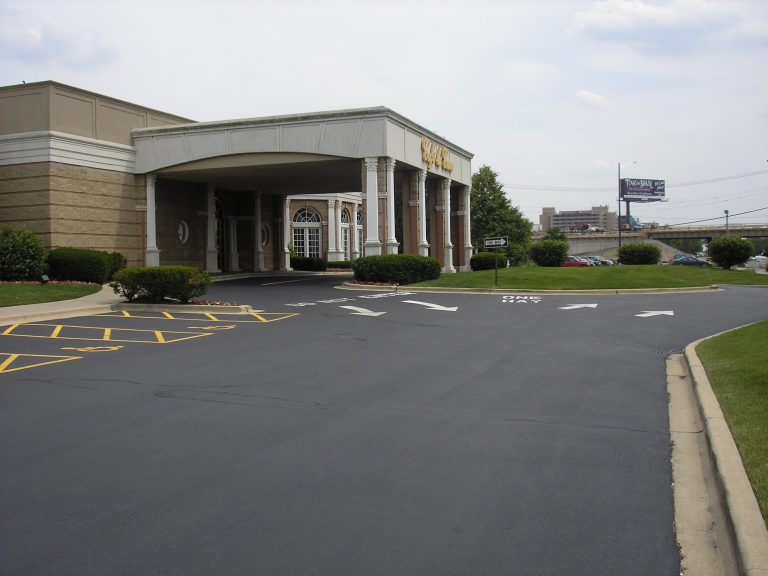
Commercial sealcoating is used for business parking areas and other asphalt surfaces that experience frequent or heavy traffic. Proper surface preparation and application are especially important for maintaining high-use pavement.
Businesses, offices, retail properties, and other commercial locations can include sealcoating in their regular pavement maintenance plans to help keep existing asphalt in better condition.
4. Private Roads & Communities
Private roads, residential communities, and shared asphalt lanes can also require regular pavement maintenance. These surfaces experience vehicle traffic and exposure to changing weather throughout the year.
Sealcoating can help maintain these existing asphalt surfaces while improving their overall appearance.
What Types of Asphalt Damage Require More Than Sealcoating?
Sealcoating is a protective treatment, but it is not designed to repair every type of asphalt damage. Existing pavement problems should be addressed before sealcoating so the surface is properly prepared.
Sealcoating does not fix:
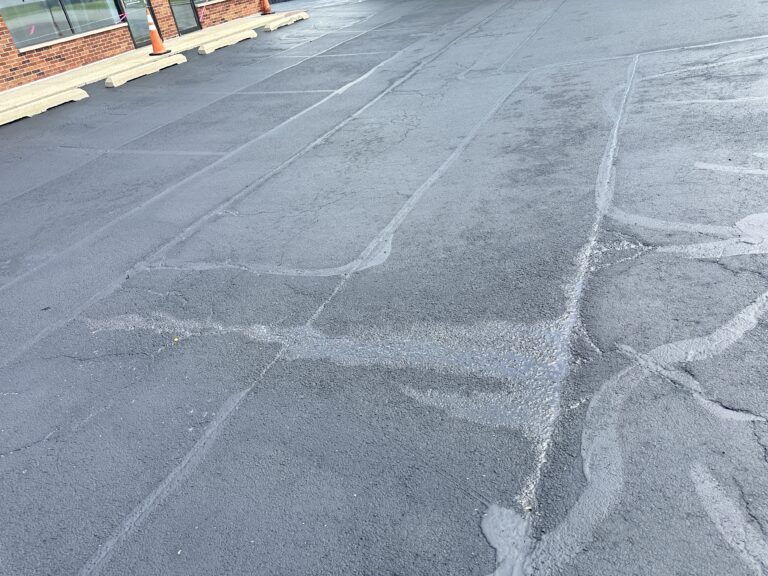
- Large cracks: Wide or deep cracks need proper crack repair before sealcoating.
- Potholes: Potholes require patching and compaction to restore the damaged area.
- Major surface damage: Areas with severe deterioration, crumbling, or structural problems may require more extensive asphalt repair or replacement.
- Drainage problems: Sealcoating cannot correct standing water, poor drainage, or improper water flow.
Addressing these issues first allows the sealcoat to be applied to a cleaner, more stable surface and helps provide better overall pavement protection.
Plan Your Next Asphalt Maintenance Project with American Sealcoating
Proper maintenance can help extend the life of your asphalt and reduce the need for more costly repairs. American Sealcoating Inc. provides professional sealcoating, concrete & asphalt repair, paving, crack repair, pothole repair, and other pavement maintenance services for residential and commercial properties. With 35+ years of experience serving local customers, our team can help you choose the right maintenance solution for your pavement.
Contact American Sealcoating Inc. today to discuss your asphalt maintenance needs.
Final Thoughts
Sealcoating is an important part of asphalt maintenance that helps protect pavement from moisture, UV exposure, traffic wear, and changing weather conditions. When combined with timely crack and pothole repairs, regular maintenance can help keep asphalt in good condition and maintain its appearance.
Proper care can also help address small pavement issues before they become more costly problems. For driveways, parking lots, and commercial pavement, professional sealcoating can be a practical way to maintain and protect the asphalt.