
A parking lot is one of the first things customers, tenants, and visitors notice about a property. Faded pavement, open cracks, and worn lines can make even a well-kept property look neglected, and they can create safety concerns for drivers and pedestrians.
Not every parking lot wears down at the same rate. Weather, traffic, and how quickly repairs are made all affect how long the pavement lasts, and knowing what proper maintenance involves can help business owners, property managers, and HOAs protect their investment.
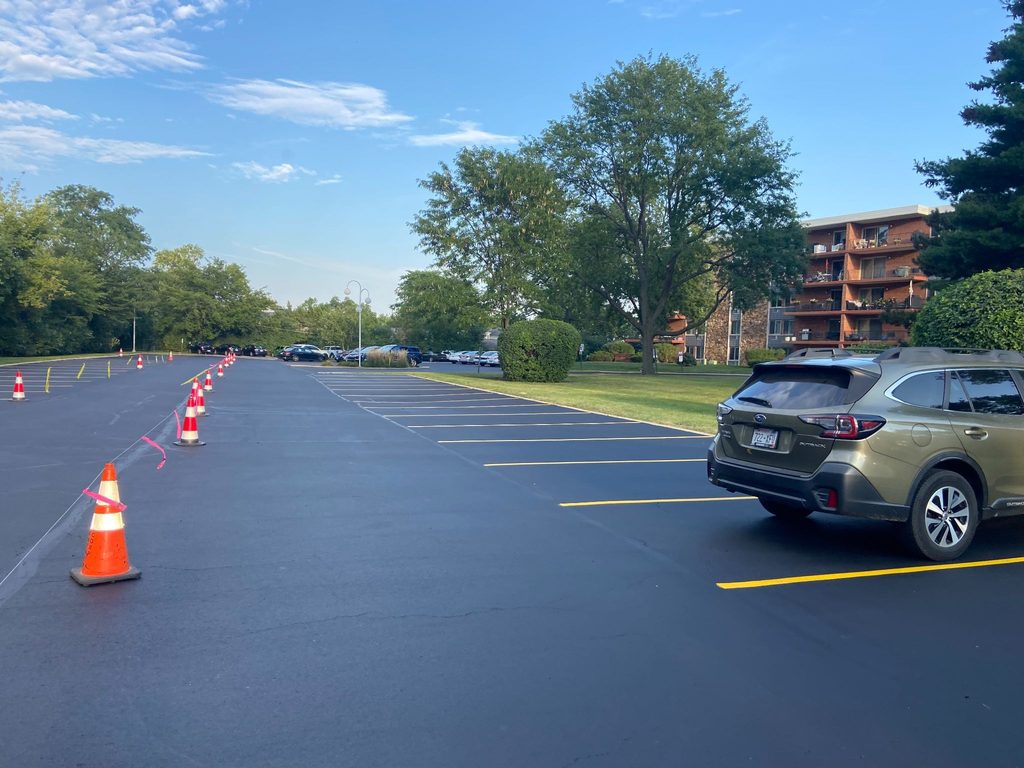
What Shortens the Life of Your Parking Lot?
Most asphalt parking lots last 15 to 20 years with proper pavement maintenance. Without it, the same pavement can need major work much sooner, and the difference usually comes down to how quickly small problems get attention.
Water does most of the damage. It seeps into small cracks, freezes, and pushes them wider, and repeated freezing and thawing through winter weakens the base beneath the surface. Sun adds to it by drying out the asphalt over time, which leaves the surface faded and brittle.
Traffic wears a lot unevenly, so these areas tend to fail first:
- Entrances and exits: every vehicle passes through, and many turn while moving.
- Drive lanes: constant weight from cars and delivery vehicles.
- Dumpster pads and loading zones: heavy loads in one spot, plus leaking fluids.
Small problems rarely stay small. A hairline crack this year can become a pothole or a soft spot next year, which is why catching them early keeps a lot in service for far longer.
What Does Parking Lot Maintenance Include?
Good maintenance is a routine of regular checks and small fixes, not a reaction to damage. Each task below protects the pavement in a different way, and together they help a lot stay safe and last longer.
1. Keeping the Surface Clean and Clear
Dirt, leaves, and standing moisture slowly wear on asphalt, and sealer will not bond to a dirty surface. A simple cleaning routine covers:
- Sweeping: clears sand, leaves, and debris that hold moisture against the pavement.
- Drain and catch basin checks: keep water moving off the lot. If water still collects after rain, drainage repair may be needed.
- Oil and grease cleaning: removes fluids that soften the asphalt over time.
- Spring cleanup: clears winter sand and salt before they clog drains.
2. Catching Cracks Before They Spread
Cracks are the main way water reaches the base under the pavement, so they deserve attention on every inspection. Hairline cracks can often be covered during sealcoating, but wider and deeper cracks should be cleaned out and sealed first.
Crack filling is a small job when it is done early. If a crack is left alone, water gets in, freezes, and makes it wider every winter. Check your lot in spring and again in fall so you can spot cracks that have grown.
3. Fixing Potholes Before They Grow
Potholes form when water weakens the base under a cracked area, and traffic breaks the surface above it. They grow quickly and put vehicles and pedestrians at risk. A proper patch involves:
- Cleaning out loose material and water
- Filling the area with hot or cold asphalt mix
- Compacting it so the patch holds under traffic
Prompt pothole repair keeps one small hole from becoming a large section of failed pavement.
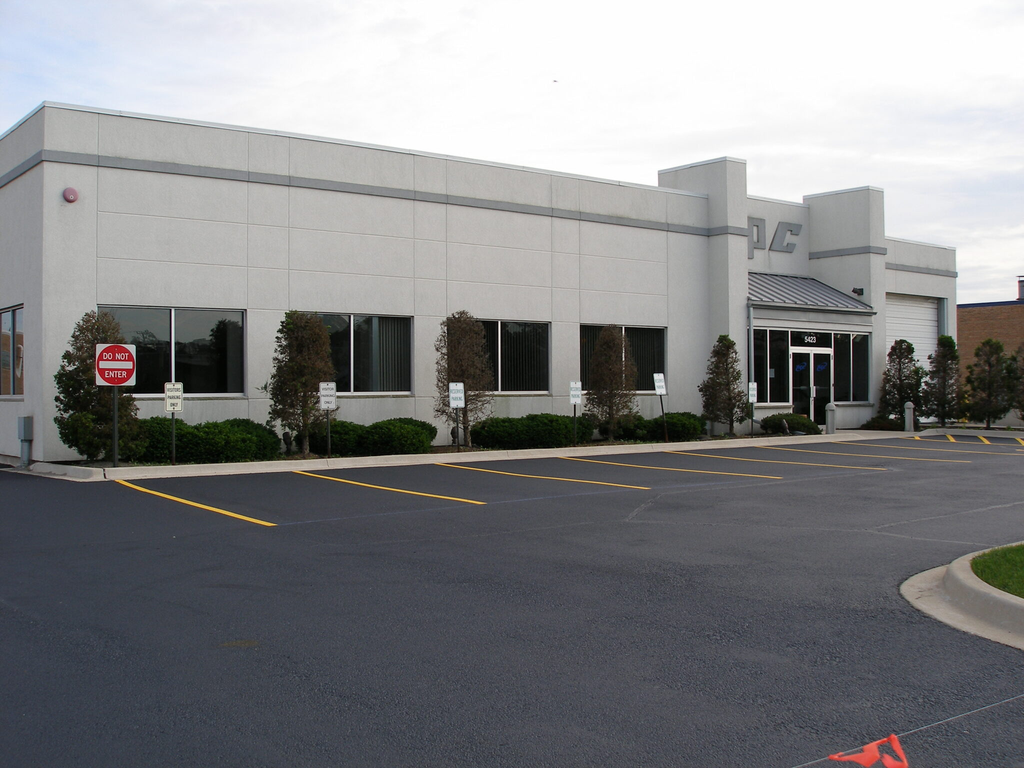
4. Protecting the Pavement from Sun, Water, and Oil
Once repairs are done, sealcoating adds a protective layer against UV rays, moisture, and fluid leaks. Timing matters. It goes on after cleaning and repairs, never before, and the surface needs to be dry with enough curing time before traffic returns.
Application matters as well. Brush application works the sealer into rougher areas of the asphalt instead of only coating the top, which helps it bond and last longer.
5. Keeping Lines and Markings Visible
Fresh lines go on last, once the sealcoat has cured. Parking lot striping keeps traffic moving safely and makes the lot look organized. Check these during each inspection:
- Stalls and arrows: faded lines cause confusion and crowded parking.
- Fire lanes and no parking zones: these must stay clear and visible for emergency access.
- Accessible spaces: symbols should stay sharp and up to date.
- Crosswalks and loading areas: protect pedestrians and delivery drivers.
How Often Should a Parking Lot Be Maintained?
No single schedule fits every lot, but a seasonal routine covers most properties. Small tasks happen often, and bigger ones are timed around the weather. Since weather affects asphalt so heavily, spring and fall are the two most important checkpoints of the year.
Spring: Check for Winter Damage
Winter is hardest on pavement, so start the season with a full walk of the lot. Take notes or photos so you can compare them next year.
- New cracks and potholes: freezing and thawing often open up problems that were not there in fall, so mark each one for repair.
- Sand and salt: leftover winter material holds moisture against the surface and can clog drains, so sweep it away early.
- Drains and catch basins: clear any debris so spring rain has somewhere to go.
- Faded lines: plow blades and salt wear down paint, so note any stalls, arrows, or fire lanes that need to be redone.
Summer: Repair and Protect
Warm, dry weather is the best time for repairs, sealcoating, and striping, because materials need dry conditions to cure properly. Book this work early, since rain delays and busy schedules can push it back. Most lots do not need sealcoating every year, so the right timing depends on how the surface looks and how much traffic it carries. It also helps to schedule the work for a slow day, so customers and tenants are not blocked from the lot while it cures.
Fall: Prepare for Freezing Weather
Fall is the last chance to stop water from getting in before it freezes. Work through this list in order:
- Fill open cracks: water that freezes inside a crack makes it wider, so sealing it now prevents bigger damage by spring.
- Finish pending repairs: patch any potholes or weak spots that were noted earlier in the year.
- Clear leaves from drains: wet leaves block catch basins fast, and blocked drains lead to standing water and ice.
- Check markings: confirm that fire lanes and stall lines are still visible before snow covers them.
Winter: Watch and Plan
Little pavement work can be done in cold weather, but the lot still needs attention. Plow blades can scrape the surface and wear away lines, so mark problem areas as they appear. Standing water that turns to ice in the same spot each week is also worth noting, because it usually points to a drainage problem that should be fixed in spring.
Read More: Asphalt Repair vs. Replacement: Which Option is Right for Your Property?
Tip: If you are not sure what your lot needs this season, request a free estimate from American Sealcoating Inc.
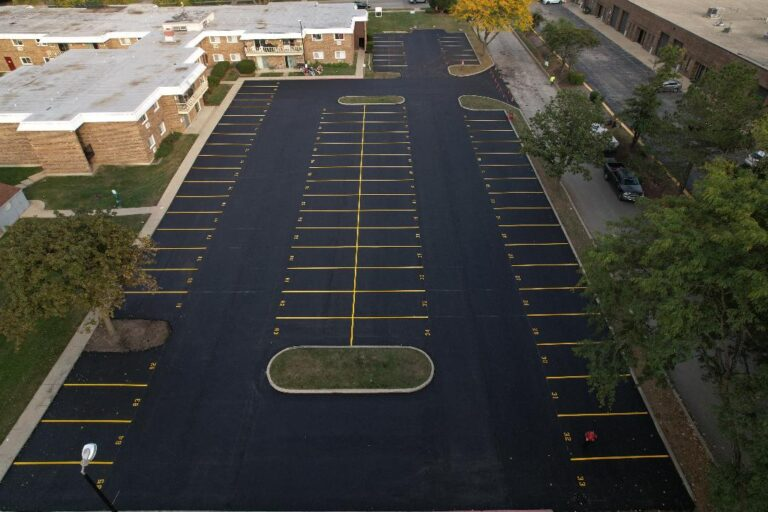
Keep Your Parking Lot in Shape with American Sealcoating
Regular maintenance can help extend the life of your pavement and reduce the need for costly repairs. American Sealcoating Inc. provides professional sealcoating, crack filling, pothole repair, and line striping for commercial properties, HOAs, and property managers. With 35+ years of experience, our team can inspect your lot and recommend the right maintenance plan for your property.
We serve property owners in Northbrook, Wheeling, Palatine, and neighboring communities, and every sealcoat is brush-applied for better bonding and a longer-lasting finish.
Contact American Sealcoating Inc. today to schedule your parking lot inspection.